
How Do AI Agents and Chatbots Help Businesses?
See how AI agents and chatbots boost business efficiency, automate tasks, and deliver insights for smarter US business growth—practical examples included.


Picture a busy online retailer juggling dozens of customer questions, order changes, and tracking requests—all at once. For many businesses, keeping up with demand while delivering quick, helpful responses seems nearly impossible. The real struggle isn’t just about speed; it's ensuring every customer feels valued without overloading staff or missing critical details.
AI agents and chatbots are quiet powerhouses behind the scenes, efficiently scaling support, handling repetitive workflows, and surfacing data insights that drive smarter decisions. By weaving intelligent tools into daily operations, companies can offer seamless service, free up teams for strategic work, and discover patterns that fuel growth. Achieving these results doesn’t happen overnight, but practical steps and clear examples show how AI is reshaping how American businesses compete and thrive.
In a world where customers demand instant answers, AI agents and chatbots aren't just digital assistants—they're the new frontline shaping the way businesses connect, compete, and grow.
Reference: Top 22 benefits of chatbots for businesses and customers
Introduction
The business landscape is undergoing rapid transformation, fueled by the adoption of conversational AI and intelligent automation tools. Enterprises of all sizes—ranging from financial institutions like JPMorgan Chase to logistics providers like FedEx—are embracing chat-based AI agents and large language models to streamline operations and stay competitive. As companies look for ways to do more with less, intelligent AI is becoming an indispensable asset for customer engagement and decision-making.
Challenges: Scaling Service, Automating Tasks, and Extracting Value
Despite these advancements, US businesses encounter ongoing challenges as they scale. Customer expectations for instant, 24/7 help put immense pressure on support teams. For example, according to a 2023 Salesforce report, 67% of customers now expect companies to offer real-time support across multiple channels. Meanwhile, automating time-consuming business tasks—such as responding to routine inquiries or processing invoices—remains a critical hurdle, especially for companies with limited IT resources.
Extracting actionable value from vast data troves presents a further obstacle. Data analytics tools powered by AI, like Tableau and Power BI, help some organizations uncover insights, but not every business has the strategy or expertise needed to harness these solutions effectively. As a result, significant value often goes untapped.
What to Expect: Actionable Insights & Strategic Guidance
This guide provides a clear breakdown of how AI agents, chatbots, and cutting-edge automation tools are accelerating efficiency, boosting customer satisfaction, and enabling sustainable growth. Through real-world scenarios—including American Express's AI-driven digital assistants and H&M's virtual shopping assistants—you'll see practical examples of success.
Expect actionable recommendations, strategic insight, and industry benchmarks, with an emphasis on solutions tailored for the distinct needs of US businesses seeking intelligent, forward-looking transformation.
1. Understanding AI Agents and Chatbots in Modern Business
Modern businesses are rapidly integrating AI-powered solutions to streamline interactions, improve customer service, and enhance productivity. However, understanding what precisely constitutes an "AI agent," "chatbot," or "intelligent agent" is crucial for selecting the right technology and implementing it effectively. These terms are sometimes used interchangeably but have important distinctions—especially as business use cases grow more complex.
Definition of AI Agents, Chatbots, and Intelligent Agents in Artificial Intelligence
AI agents are autonomous software entities capable of perceiving their environment, processing data, and taking actions to achieve specified objectives. Chatbots are a subset of AI agents focused mainly on conversational interfaces, allowing users to interact using natural language via text or voice. Intelligent agents in artificial intelligence represent a broader category that might include robots, personal digital assistants, or even smart automation tools managing multiple complex tasks.
For example, digital assistants like Google Assistant and Apple’s Siri function as intelligent agents, handling voice queries and managing tasks in real-time. LivePerson’s conversational AI is another real-world agent used by brands like Delta Air Lines to facilitate seamless customer interaction across platforms.
How Artificial AI Technology Is Evolving for Business Applications
The role of AI agents has evolved rapidly over the past few years. Businesses are deploying AI not just for basic FAQs, but for advanced applications like supply chain management, predictive analytics, and personalized marketing. According to AI Agent Use Cases by Industry: 13 Examples for 2025, organizations from banking to healthcare are leveraging AI agents to drive efficiency and growth across multiple processes—including customer onboarding, claims processing, and fraud detection.
For instance, Bank of America’s Erica virtual assistant handled over 567 million client requests in 2022, showing tangible results in digital engagement and cost savings.
Key Differences: Traditional Automation vs. Chat Artificial Intelligence Solutions
Traditional automation relies on rule-based scripts that handle repetitive processes but lack adaptability or conversational skills. Chat artificial intelligence solutions differ by leveraging machine learning and natural language understanding, enabling them to interpret complex input, learn from interactions, and improve over time.
While a traditional automated phone menu guides callers using rigid options, a voice AI agent like Nuance’s Nina can interpret natural speech, understand intent, and solve customer issues without human intervention.
Common Terminology: AI Bots, Artificial Intelligence Chatbot, Voice AI, and More
When discussing artificial intelligence in business, terms like "AI bots" (software agents performing automated tasks), "artificial intelligence chatbot" (conversational AI programs), and "voice AI" (AI-powered systems interpreting and responding to spoken language) often surface. These terms are foundational when selecting solutions or discussing digital transformation strategies.
Practical examples include OpenAI’s ChatGPT used for content generation and business communications, or Amazon Alexa enabling voice control for office automation. Understanding the vocabulary helps organizations evaluate solutions suited for specific needs and drive strategic adoption of AI-powered tools.
2. Enhancing Customer Experience with AI Chatbots
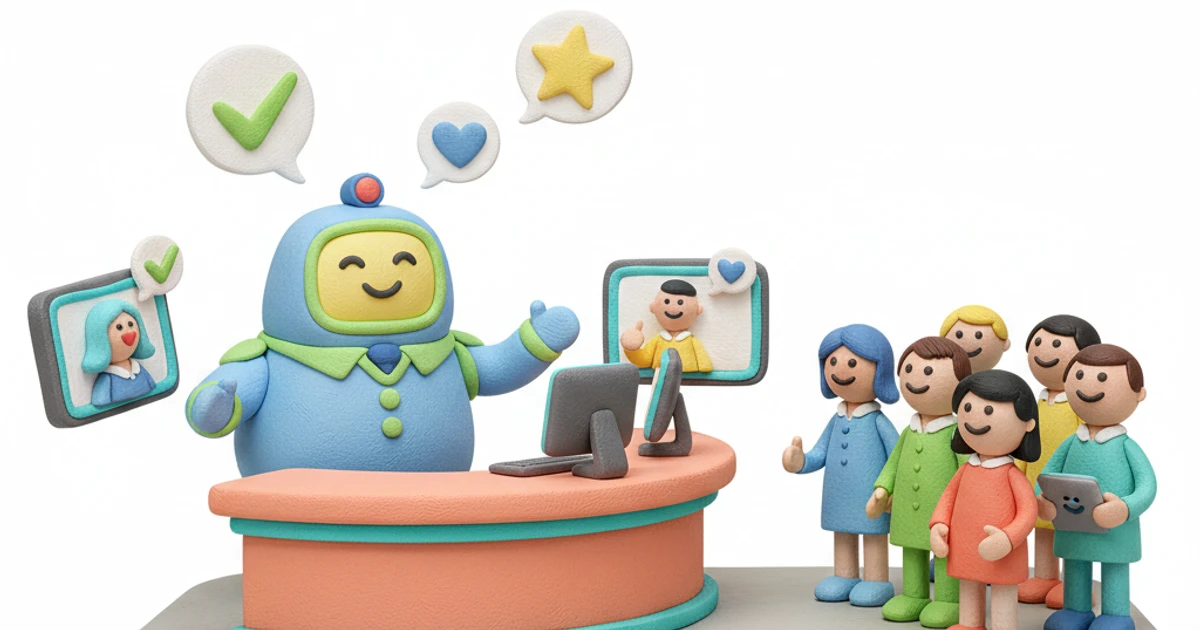
2. Enhancing Customer Experience with AI Chatbots
AI chatbots have dramatically shifted customer support standards by delivering quick, effective assistance around the clock. Their integration into business operations equips companies to meet rising consumer expectations for prompt and personalized interactions, regardless of time or customer volume.
24/7 Availability and Instant Response Using AI Chatbots
One of the most significant advantages of AI chatbots is their constant availability. Unlike traditional support channels limited to business hours, chatbots can address customer inquiries at any hour. For example, Bank of America's "Erica" chatbot has handled over 500 million customer requests since its launch, dramatically reducing wait times and freeing human agents for complex issues.
This immediate support reassures customers that their needs will be addressed promptly, even after hours. Such reliability often translates into higher satisfaction and increased customer loyalty, particularly in industries like banking, ecommerce, and travel.
Personalized Interactions with Artificial Intelligence Voice
AI-driven chat interfaces have advanced beyond simple scripted responses, now offering genuinely personalized experiences by leveraging user data and preferences. For instance, Sephora's chatbot uses shopping history and profile data to suggest tailored beauty tips and product recommendations, leading to higher conversion rates and customer engagement.
This personalization, powered by machine learning, ensures that users feel understood and valued—key drivers of a positive customer experience.
Managing High Customer Volumes: Balancing Automated Responses and Human Escalation
Handling spikes in customer inquiries, such as during Black Friday sales or product launches, can overwhelm human agents. AI chatbots help by filtering and responding to common questions automatically, escalating only complex issues to live support when necessary. For example, H&M's chat system manages a surge in queries during seasonal sales, routing about 70% of interactions without human intervention.
This balance between automation and escalation prevents bottlenecks, maintaining service quality during peak periods while allowing staff to focus on unique or sensitive cases.
Integrating Chat AI with Existing Customer Support Tools
Successful customer experience strategies often rely on integration. Many companies now embed AI chatbots within platforms like Salesforce or Zendesk, so all communications—whether automated or human—are logged in one system. Domino’s Pizza, for example, connects its chatbot to order management and CRM tools, ensuring seamless tracking and follow-through on customer requests.
This integration streamlines workflows, preserves conversation context, and supports a unified support experience across live chat, email, and voice—critical for delivering consistent customer care at scale.
Reference: The Role of Chatbots in Enhancing Customer Experience
3. Increasing Operational Efficiency with Intelligent Agents AI
AI-driven intelligent agents are quickly integrating into business operations, offering tangible benefits to organizations looking to optimize workflows and resource allocation. Their unique blend of speed, consistency, and capacity for complex task management is transforming how companies handle everyday operations.
Automating Repetitive Tasks with Intelligent AI Agents
One of the primary use cases for intelligent agents is automating tedious, repetitive tasks. For example, in the banking sector, JPMorgan Chase deployed its COiN platform to review legal documents. This AI agent completed tasks in seconds that previously consumed 360,000 labor hours annually.
Adopting such automation not only releases employees from routine activities but also enables them to focus on higher-value problem solving and client engagement.
Streamlining Internal Communications Using Chat Artificial Intelligence
Internal communication bottlenecks often slow business processes. AI chatbots and digital assistants, such as Slackbot in Slack or Microsoft Teams' AI-powered suggestions, facilitate faster information retrieval and task assignments.
According to a McKinsey report on AI skill partnerships, intelligent agents are increasingly critical in mediating between departments and enhancing digital workplace productivity.
Reducing Human Error and Improving Accuracy with AI Tools
Automation led by AI dramatically reduces the likelihood of mistakes in tasks like data entry and invoice processing. For instance, UiPath's automation software helped XPO Logistics increase invoice accuracy to over 99% while cutting processing time by nearly half.
This boost in accuracy results in cost savings and improved compliance, particularly in regulated industries where errors can be costly.
Cross-Department Collaboration: AI Agency Solutions in Practice
Collaboration across departments is often hindered by silos and inconsistent processes. AI agency solutions—like IBM's Watson Orchestrate—enable seamless handoffs and workflow continuity by integrating data from HR, finance, and operations into unified dashboards.
While detailed industry-wide statistics are emerging, early adopters report not only efficiency gains but also improved employee engagement and customer satisfaction as these systems enable smarter and faster collaboration.
Reference: 6 Strategic Ways AI Agents Enhance Operational Efficiency
4. Driving Sales and Marketing Impact with AI Tools
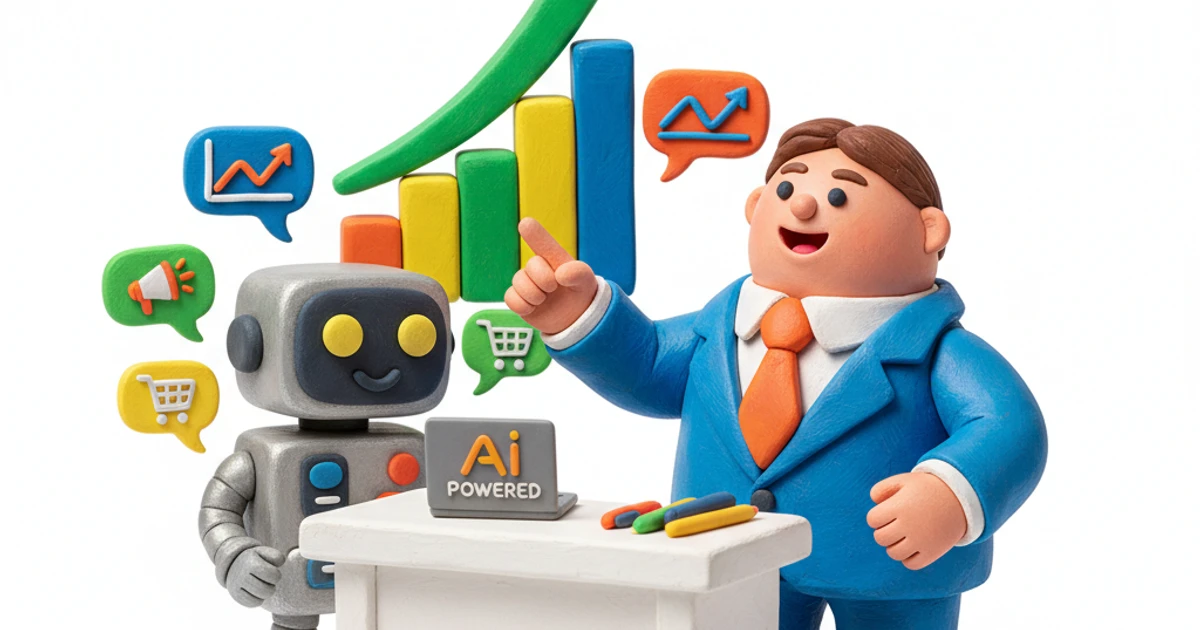
4. Driving Sales and Marketing Impact with AI Tools
Unlocking New Revenue Channels with Intelligent Automation
Artificial intelligence is transforming the sales and marketing landscape, enabling businesses to convert prospects more effectively and foster long-term customer relationships. By integrating advanced AI tools into their operations, companies gain a competitive advantage through smarter lead management and optimized customer engagement.
Lead Generation and Qualification via AI Chatbots
AI-powered chatbots, such as Drift and Intercom, are widely used for capturing website visitor data and pre-qualifying leads in real-time. For example, Drift’s chatbots helped Snowflake boost their sales pipeline by 50% by engaging website visitors instantly and routing qualified leads to sales teams. These bots use natural language processing to identify high-potential customers based on their responses and behaviors.
AI-Driven Product Recommendations and Personalization
Personalized product recommendations powered by AI help boost conversion rates and average order values. Amazon’s recommendation engine reportedly drives 35% of the company’s total sales by analyzing browsing and purchase history to tailor suggestions. Retailers like Sephora use similar tools to present customers with curated offers, reflecting individual preferences and buying patterns.
Automating Outreach and Follow-Ups with AI Tools
Automated outreach platforms like Salesloft and Outreach leverage AI to tailor email sequences, schedule follow-ups, and adapt messaging based on recipient engagement. HubSpot’s sales automation software is one solution that reduces manual workload while improving response rates, with users noting up to a 14% lift in qualified meetings from AI-powered workflows.
Analyzing Customer Journeys with AI
AI analytics platforms, such as Adobe Analytics and Google Analytics 4, dissect the customer journey across every digital touchpoint. For instance, Coca-Cola used AI to analyze buyer paths, uncovering opportunities to fine-tune campaign targeting, which increased click-through rates by 20%. This level of insight allows marketers to understand drop-off points and optimize user experiences.
Reference: The Impact of AI in Sales and Marketing in 2025
5. Data Collection, Analysis, and Insights with Artificial Intelligence
Gathering Real-Time Customer Feedback with AI Bots
Improving customer engagement starts with timely, accurate feedback. AI-powered bots like Drift and Intercom now enable brands to collect real-time feedback at scale, leveraging natural language processing to interpret questions, complaints, and suggestions instantly.
For example, Domino’s Pizza uses AI-based chatbots on its website and app to streamline ordering, capture customer sentiment, and address concerns, resulting in a significant reduction in call center volume and response wait times. This data allows the company to respond to issues rapidly and enhance the customer journey.
Using Intelligent Agents for Data Mining
Intelligent agents in AI automatically sift through vast data sources to extract valuable insights. Tools like IBM Watson and Google Cloud AutoML can process millions of transaction records, customer messages, or social posts to identify patterns and anomalies humans might miss.
A notable example is American Express, which employs AI models to scan billions of transactions for potential fraud while mining trends in purchase behavior. This has helped the company detect fraud faster and improve targeted offers for cardholders.
Transforming Raw Data into Actionable Business Insights
Turning raw data into actionable insights is critical for executive decision-making. Platforms such as Tableau, paired with AI algorithms, help organizations cleanse, structure, and visualize large datasets for deeper understanding.
In the retail sector, Target leverages predictive analytics to forecast inventory needs by analyzing shopping patterns, purchase history, and even external factors like weather. This data-driven approach has minimized stockouts and reduced overstock costs company-wide.
Predictive Analytics: Forecasting Trends with AI Company Support
Predictive analytics helps firms anticipate market shifts and customer needs. With AI tools from companies like Salesforce Einstein and Microsoft Azure AI, businesses build models that forecast sales, customer churn, and emerging trends with greater accuracy.
For instance, Netflix analyzes viewing habits and regional preferences using AI to predict content demand. This insight guides programming and release strategies, helping Netflix consistently outperform competitors in subscriber growth.
Reference: Using AI for Data Analysis: The Ultimate Guide (2025)
6. Building Better Support Systems with Voice AI and Artificial Intelligence Voice
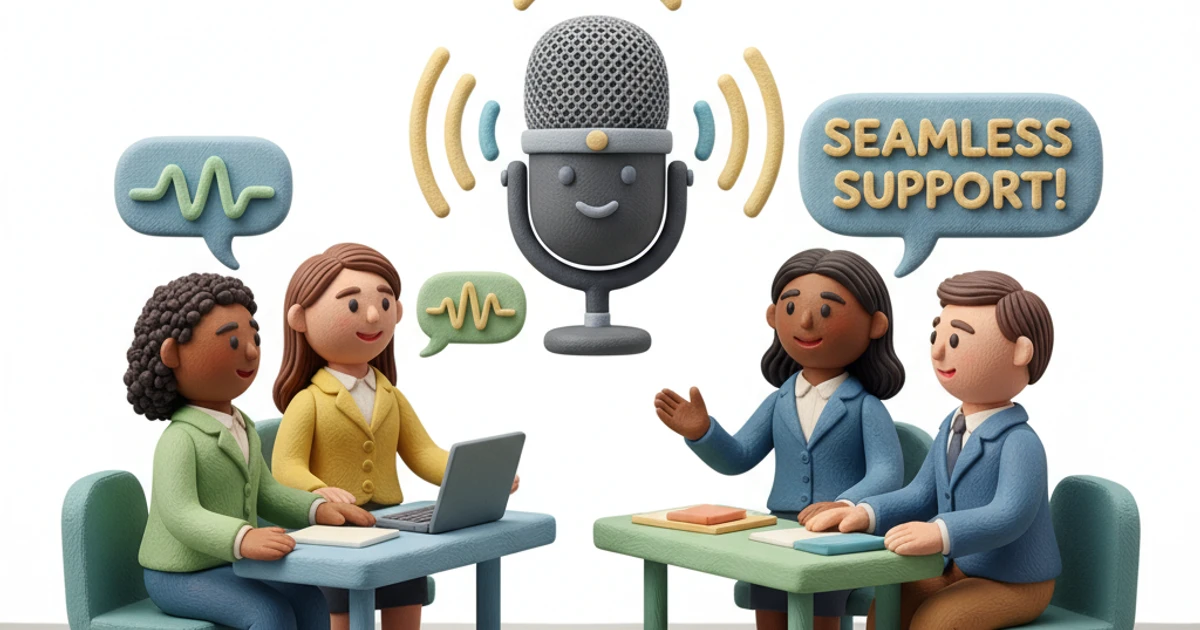
6. Building Better Support Systems with Voice AI and Artificial Intelligence Voice
Deploying Voice AI for Hands-Free Customer Service
Voice AI transforms the customer service experience by enabling hands-free communication, letting users interact without using a keyboard or touchscreen. This approach is especially valuable in industries like automotive and healthcare, where physical engagement can be distracting or unsafe. BMW’s Intelligent Personal Assistant, for example, allows drivers to request navigation or adjust climate controls via voice commands, keeping their focus on the road.
Call centers are also adopting Voice AI solutions for contactless call routing. Delta Airlines integrated voice recognition technology to automate flight inquiries during high-volume periods, improving wait times and customer satisfaction. Hands-free interactions support accessibility and increase operational efficiency.
Providing Multilingual Support Powered by Artificial Intelligence Voice
AI voice solutions eliminate language barriers, offering real-time, multilingual support to diverse global audiences. Google Duplex, for instance, utilizes AI to understand and respond in multiple languages during phone-based customer interactions.
Such advancements have empowered retailers like H&M to deploy AI-based chatbots and voice tools capable of communicating in over 10 different languages, enhancing their international customer service capabilities. Multilingual voice AI ensures businesses can offer seamless support regardless of their customers’ native tongue.
Improving Accessibility for Diverse Customer Needs
Artificial intelligence voice technologies play a critical role in improving accessibility for individuals with visual impairments or mobility limitations. Features like speech-to-text and voice navigation make digital platforms easier to use.
Microsoft’s Seeing AI app converts visual input to audible cues, allowing blind users to read documents or recognize faces. Such innovations exemplify how voice AI can break down barriers, providing equitable access to support resources for all customers.
Integrating Artificial Intelligence Agency Expertise in Voice Solutions
For businesses aiming to maximize the value of voice AI, collaborating with agencies specializing in artificial intelligence is essential. These agencies offer expertise in developing, deploying, and optimizing custom voice solutions tailored to industry-specific requirements.
Accenture, for example, partnered with Deutsche Telekom to design an intelligent virtual assistant for customer support, achieving a 30% reduction in average handling time. With the right agency, organizations can leverage advanced voice AI to streamline support operations and enhance overall user experience.
Reference: Best 6 AI Voice Agent Platform in 2026
7. Ensuring Security, Compliance, and Quality with AI Bots
Proactive Monitoring for Security and Fraud Breaches
With the increasing sophistication of digital threats, organizations are leveraging AI to identify and address security breaches faster than traditional manual monitoring allows. Intelligent AI-powered tools analyze vast streams of transactional and behavioral data for signs of abnormal activity, offering real-time alerts before damage occurs.
For instance, Mastercard’s Decision Intelligence platform uses AI to assess billions of transaction patterns, flagging potential fraud within milliseconds. In 2021, this technology helped reduce false declines by up to 50% while maintaining high fraud-detection accuracy, directly benefiting both merchants and consumers.
AI Chatbots for Compliance and Regulatory Alerts
AI chatbots streamline compliance by automating routine checks, parsing regulatory updates, and sending timely alerts to relevant teams. These bots can assess whether customer interactions and documentation adhere to complex rules such as GDPR or the Bank Secrecy Act.
For example, JPMorgan Chase implemented an AI-powered chatbot that interprets regulatory texts and provides actionable summaries to compliance managers, significantly reducing legal review time. This type of automation not only minimizes human error but also ensures critical updates never go unnoticed.
Automating Quality Assurance with AI Tools
Maintaining product and service quality at scale is a consistent challenge. AI-driven QA systems can monitor digital customer interactions, flag non-compliant language, and provide managers with rapid feedback. Services like Cognigy and Observe.AI record and analyze support calls for adherence to quality standards, helping businesses maintain consistent customer experiences.
During the pandemic, HealthTap used AI QA automation to check over 50,000 telehealth interactions daily, instantly flagging any conversations that fell short of care standards. This real-time oversight not only boosted quality but also sped up process improvements.
Partnering with an AI Agency for Tailored Security Solutions
Off-the-shelf AI security solutions might not align with every organization’s unique risks. Partnering with a specialized AI agency can yield bespoke systems built around specific policies, data types, and threat scenarios. These partnerships often bring deep domain expertise and access to custom-trained models.
For example, Darktrace provides customized AI-driven cybersecurity for enterprises like Siemens, enabling rapid detection and autonomous response to previously unknown threats. Agencies like these empower businesses with technology that evolves alongside emerging risks and compliance requirements.
Reference: Ensuring data compliance in AI chatbots & RAG systems
8. Scaling Business Growth and Innovation with AI Companies
As organizations look to rapidly scale and drive innovation, collaborating with AI-focused companies has emerged as a strategic pathway. By partnering with specialized agencies, businesses can access expertise, technology, and processes that might otherwise take years to develop internally.
Leveraging Artificial Intelligence Agency Partnerships for Business Scalability
Teaming up with agencies dedicated to artificial intelligence allows for faster integration of machine learning and automation capabilities. For example, Nissan collaborated with Microsoft Azure’s AI engineers to optimize its supply chain operations, resulting in a 40% reduction in logistics costs within a year. Partnerships like this give companies both the talent and technology needed to support aggressive growth plans.
Rapid Deployment of New Features with AI Tools
AI tools enable businesses to introduce new functionalities to products and services in record time. For instance, Grammarly uses machine learning APIs to release language support updates frequently. By leveraging third-party natural language processing solutions, the company responds quickly to user feedback and maintains a competitive edge.
Continuous Learning: Improving AI Agents through Machine Learning
To maintain consistent innovation, AI-driven companies invest in continuous training of their models. Netflix, for example, retrains its recommendation algorithms daily using the latest viewer data, leading to a 75% increase in user engagement attributed to precise content recommendations. Such practices underscore the importance of regular data-backed refinement.
Measuring ROI: Metrics and Benchmarks for AI-Powered Growth
Quantifying the impact of AI on business growth depends on clear metrics like cost savings, revenue lift, and operational efficiency. According to McKinsey, firms that use AI-powered sales forecasting tools see forecasting accuracy improvements of up to 50%, which directly correlates with higher sales performance. These benchmarks help companies assess the value delivered by AI investments and recalibrate strategies as needed.
Reference: The State of AI: Global Survey 2025
9. Overcoming Challenges in Implementing Chat Artificial Intelligence
Integrating chat AI into business operations isn’t without hurdles, but proactive strategies can address concerns and boost adoption. As organizations move to enhance customer experience and operational efficiency with tools like ChatGPT or Google Dialogflow, various challenges emerge, from data security to aligning with existing workflows.
Addressing Data Privacy and Ethical Considerations
Data privacy remains a leading concern when deploying chat AI. Companies must comply with regulations such as GDPR in the EU or California’s CCPA, ensuring user data is stored, processed, and deleted securely. Tools like Microsoft’s Azure AI offer compliance-ready solutions with built-in privacy controls, but human review processes must still protect against biases and misuse.
A notable example comes from the banking sector, where Bank of America implemented Erica, its AI-powered virtual assistant. The company had to prioritize customer consent and opt-in measures to earn user trust, illustrating the significance of transparent communication around privacy.
Integrating Chat AI Solutions with Legacy Business Systems
Many enterprises struggle to connect AI chatbots with aging IT infrastructures. Successful integrations often involve middleware or API gateways. For example, Salesforce’s Einstein Bots can be deployed seamlessly over existing CRM frameworks, minimizing disruptions.
Retailer Macy’s integrated their AI chat assistant with legacy inventory and order management systems, relying on API endpoints to bridge gaps between new and old technology rather than overhauling core systems entirely.
Managing Organizational Change and Training Staff
Introducing AI chat solutions requires more than technical upgrades—it calls for a cultural shift. Training employees to work alongside automation is essential for smooth transitions. For instance, H&M provided frontline staff with AI onboarding and continuous learning modules, improving user adoption and reducing resistance.
When IBM introduced its Watson Assistant to handle routine HR queries, a phased rollout and comprehensive staff workshops led to faster adaptation and a 30% reduction in internal support tickets.
Choosing the Right AI Company or Tools for Your Business Needs
Selecting the right vendor hinges on your specific needs, industry compliance requirements, and integration capabilities. Businesses should seek tools proven in their sector—LivePerson, for example, is widely used in financial services for secure, compliant messaging, while Drift is popular in SaaS for its customization features.
Evaluating potential partners for scalability, support, and ongoing updates ensures the chat AI solution can evolve with your organization’s needs, not just today's challenges.
Reference: 9 Challenges When Implementing an AI Virtual Assistant
10. Future Trends: What’s Next for AI Agents and Chat AI in Business?
Personalized Automation: The Rise of Intelligent Agent AI
AI agents are rapidly evolving from basic scripted bots to sophisticated, personalized automation tools. These agents use machine learning algorithms to anticipate customer needs and make real-time decisions. For instance, Stitch Fix leverages AI to curate clothing recommendations tailored to individual style profiles, increasing customer retention and satisfaction.
By automating routine workflows, businesses can focus human resources on higher-value initiatives. American Express has deployed intelligent agents to handle travel bookings and fraud alerts, resulting in faster resolutions and improved customer experiences.
AI-Powered Omnichannel Experiences
Integrating AI across all customer touchpoints enables seamless transitions between channels—email, live chat, social platforms, and more. According to a 2023 McKinsey report, retailers employing omnichannel AI strategies have seen a 5–10% boost in sales conversion rates compared to single-channel approaches.
Sephora’s use of AI-driven chatbots and messaging across mobile and in-store channels is a standout example. The company empowers customers to book makeovers, access product information, and receive personalized beauty advice, all synchronized for a unified experience.
Innovations in Voice AI and Artificial Intelligence Chatbots
Capabilities in voice AI are expanding quickly, allowing for more natural and context-aware interactions. Google Assistant’s Duplex feature, for example, can book appointments and answer complex queries with remarkable human-like speech.
Financial institutions like Bank of America employ the voice-powered chatbot Erica, which has processed over 1.5 billion client requests since launch, demonstrating the scalability and convenience of voice-enabled AI in high-stakes industries.
Preparing Your Business for Next-Generation Artificial AI Capabilities
Adopting next-generation AI solutions requires more than technical upgrades. Businesses should invest in workforce training and establish ethical guidelines to navigate regulatory complexities. Deloitte’s 2024 Tech Trends survey highlights that 59% of enterprises are prioritizing employee upskilling around AI and automation technologies.
Organizations should also consider scalable cloud infrastructure, such as AWS or Azure, to manage vast data needs and support ongoing AI model improvements. Early adoption of ethical frameworks and transparency standards helps build trust and foster sustainable innovation as AI agents advance.
Reference: 10 Generative AI Trends In 2026 That Will Transform Work ...
Conclusion
Recap of AI’s Transformation for Business
Artificial intelligence tools such as chat AI bots and intelligent agents have dramatically reshaped the landscape for companies looking to automate, optimize, and scale operations. AI-driven platforms like OpenAI's ChatGPT and Google's Vertex AI are being used to streamline customer service, reduce repetitive tasks, and speed up communication across departments.
For example, Deloitte implemented AI chatbots within their support centers, reducing human intervention in support tickets by 35%. This not only saves time but also improves consistency in customer interactions, highlighting how AI's adoption delivers measurable business value.
Practical Outcomes: Efficiency, Satisfaction, Scalability
By automating responses, managing inquiries, and analyzing customer sentiment, AI-powered bots consistently deliver faster and more effective service. JPMorgan Chase adopted AI for contract review, which slashed processing times from 360,000 hours to just seconds, underscoring efficiency gains.
Customer satisfaction scores also rise with well-integrated AI. For instance, H&M uses an AI chatbot to provide 24/7 shopper support and product recommendations, increasing both satisfaction and sales. As usage scales without proportional cost increases, these tools support rapid business growth.
Keeping Up with AI Trends and Innovations
The velocity of innovation in AI means tools and best practices evolve rapidly. Tracking developments such as new generative AI features in Salesforce Einstein or predictive analytics updates in Microsoft Power BI helps businesses identify fresh competitive advantages.
Many organizations subscribe to specialized AI newsletters or join industry consortiums like the Partnership on AI for curated updates and strategic guidance, ensuring they aren’t left behind as the tech evolves.
Exploring Partnerships with Specialized Agencies
Working with experienced AI agencies provides access to niche expertise for custom projects. Firms like Cognitivescale and DataRobot help enterprise clients identify the right AI solutions, model integrations, and compliance pathways for their industries.
Businesses often see faster ROI with agency support. For instance, Lufthansa Group partnered with an AI agency to streamline flight scheduling, improving on-time arrival metrics by 10% year-over-year.
Next Steps: Evaluating Chat AI for Your Business
To get started, map areas where chat AI could streamline workflows or address persistent operational challenges. Identify pilot projects where automation could yield measurable improvements, such as support ticket management or internal HR queries.
Engage stakeholders, define success criteria, and arrange demos or proof-of-concept trials with reputable AI providers. Iterative evaluation and small-scale pilots allow businesses to fine-tune implementations before scaling company-wide.
FAQs
What is the difference between AI agents and chatbots in business applications?
Businesses often hear about both AI agents and chatbots, but these tools serve distinct roles. Chatbots typically use predefined rules to answer basic queries—think of first-generation bots on retail sites that can provide shipping status or store hours. Their scope is limited to pattern recognition and scripted dialogs.
AI agents, on the other hand, employ advanced technologies like natural language processing and machine learning to manage complex workflows. For example, IBM’s Watson Assistant goes beyond simple Q&A and can resolve multi-step customer requests, escalate issues, or even execute transactions. TD Ameritrade uses an AI agent to assist with trading commands, providing a seamless experience that extends far beyond basic chatbot capabilities.
How secure are artificial intelligence chatbot solutions for sensitive customer data?
The security of AI chatbots hinges on robust encryption, compliance standards, and regular auditing. Leading AI chatbot vendors such as LivePerson and Zendesk use end-to-end encryption and are SOC 2 or GDPR certified, ensuring that customer data is protected during interactions.
In regulated industries, security is monitored closely. American Express, for instance, incorporates AI chat solutions that anonymize payment details and strictly control access to data. Nevertheless, businesses must continually assess third-party AI vendors for vulnerabilities, as breaches—though rare—are not unheard of.
When should a business consider partnering with an AI agency?
Companies often benefit from AI agencies when internal resources or expertise are limited, or if scaling an AI project efficiently is essential. For instance, Domino’s partnered with Nuance Communications to launch its acclaimed voice ordering assistant, Dom. The agency supported both technical design and customer experience optimization, accelerating time-to-market.
Fast-growing startups may also partner with AI agencies to deploy custom data models or integrate with legacy platforms. This can result in quicker adaptation to market needs and more innovative solutions than building in-house.
How can I measure ROI on intelligent agents in artificial intelligence deployments?
Effective ROI measurement should factor in labor cost savings, resolution speed, and upsell rates. One approach is to benchmark pre- and post-deployment metrics: after implementing AI-powered service agents, Alaska Airlines reported a 60% reduction in customer wait times and a 25% decrease in call center workload.
Additional ROI indicators include customer satisfaction (measured by CSAT or NPS scores) and cost per engagement. Salesforce's Einstein agents, for example, claim to increase customer retention by up to 27% for their clients, providing clear financial justification for investment.
Why is voice AI important for customer experience?
Voice AI enables hands-free, conversational interaction that feels more natural to users. This technology supports accessibility and fast query resolution, driving loyalty and higher satisfaction. Bank of America’s Erica, a voice-powered virtual assistant, manages over 15 million users and has handled more than 250 million client requests, dramatically improving service efficiency.
Industries such as hospitality and healthcare increasingly adopt voice AI to facilitate multilingual support and decrease friction. Marriott uses Amazon Alexa for Hospitality to provide in-room services, simplifying guest requests with voice commands.
Can small businesses benefit from artificial intelligence tools as much as larger companies?
AI adoption isn’t restricted to large enterprises. Small businesses can access AI-powered tools like QuickBooks’ automated bookkeeping or Shopify’s product recommendation engines without significant infrastructure investments.
For example, small e-commerce stores using Drift’s conversational AI have cut response times from hours to minutes and increased lead qualification rates by up to 30%. While scalability varies, entry-level AI solutions deliver substantial value and competitive advantages for even the leanest teams.