
How to Generate More Leads as a Business Owner
Unlock proven strategies to generate more leads as a business owner. Optimize marketing and boost growth with expert agency insights. Learn more inside!


Imagine launching a great product or service, only to have your best customers struggle to find you online. Many business owners hit a wall when it comes to consistently bringing in new leads, even with a solid offer on the table. The challenge isn’t just about visibility—it’s about standing out, reaching the right audience, and turning interest into genuine opportunities.
Every day spent on ineffective marketing drains resources and stalls growth, leaving business owners frustrated and overwhelmed. By understanding what really drives consistent lead generation, you'll discover actionable ways to optimize marketing efforts, leverage agency partnerships, and pinpoint areas for ongoing improvement. Expect to invest effort and time, but the payoff comes in building a lead generation system that delivers lasting results for your business.
Chasing leads is easy—turning your brand into a magnet that attracts them relentlessly is where true growth lies. As business owners, it’s time to stop hunting and start drawing the right customers in.
Reference: How can I effectively generate leads for my client's small ...
Introduction
Lead generation remains a top priority and a persistent challenge for business owners. It has become an arena where success hinges not only on finding more leads but on consistently renewing and optimizing strategies to adapt to changing markets and buyer behaviors. Whether you're steering a small team or overseeing a rapidly growing company, the effectiveness of your lead generation processes directly impacts your pipeline health, marketing ROI, and overall business growth.
Despite investing in digital marketing, many business owners find themselves wrestling with the unpredictability of their sales pipeline. A substantial portion of marketing budgets can be spent on tactics that fail to consistently fill the funnel. According to a 2023 HubSpot survey, 63% of marketers reported generating traffic and leads as their biggest challenge, illustrating just how widespread this frustration is.
Common Pain Points in Lead Generation
For business owners, an unpredictable pipeline often means missed revenue opportunities and difficulty in forecasting growth. Just last year, a report from Gartner showed that 70% of B2B leads never progress beyond the top of the funnel, leading to wasted resources and missed sales targets.
Wasted marketing spend is another frequent concern. For example, a mid-sized software firm spent over $25,000 on LinkedIn Ads in a quarter, yet discovered later that nearly 40% of leads were unqualified. Such scenarios highlight the necessity of aligning campaign targets, messaging, and follow-up strategies to attract the right prospects.
What to Expect: Agency-Proven Strategies
With these challenges in mind, it's critical to set realistic outcomes and invest in strategies tested by marketing agencies. Agency-driven approaches prioritize both the quantity and quality of leads, using data to iterate quickly and optimize campaigns. Expect a blend of high-level strategy (like improving lead scoring systems) and detailed tactics (from A/B testing landing pages to leveraging advanced CRM tools).
Tailored Insights for Busy Business Owners
This guide delivers actionable recommendations designed for business owners currently working with marketing agencies, or those considering engagement. Strategies are chosen for their track record in agency environments—such as demand generation programs that increased inbound leads by 38% for SaaS provider Drift in 2022. Expect to find direct takeaways that can integrate seamlessly into your own marketing playbook.
1. Understand Your Target Market as a Business Owner
Any effective marketing strategy begins with a comprehensive grasp of your target market. Without this foundation, messaging can fall flat, resources may be misallocated, and valuable opportunities missed. For business owners, understanding who you’re selling to is not just about demographics—it’s about needs, behaviors, and the competitive landscape.
Define Your Ideal Customer Profile (ICP)
Begin by painting a detailed picture of your ideal customer profile (ICP). This profile goes beyond age or job title, drilling into industry, company size, budget range, decision-maker titles, and specific pain points. The better defined your ICP, the more precise your outreach and offer positioning will be.
For example, HubSpot famously targets SaaS companies with 50-500 employees that struggle with fragmented marketing efforts. This clarity allows them to filter out less-relevant leads efficiently and craft features tailored to that segment. Without an ICP, marketing spend often gets diluted targeting prospects who are unlikely to convert.
Segment Audiences for Personalized Messaging
Once you have your ICP, segmenting your broader audience helps craft tailored messages that resonate. Audience segmentation divides customers into meaningful subgroups—based on industry, geography, pain points, or buying behavior—to deliver relevant content at every touchpoint.
Oktopost’s recent analysis highlights how firms using LinkedIn segments achieve up to a 25% higher engagement rate, as campaigns feel more personalized and relevant. Segmentation isn’t just for large enterprises; startups like Drift saw lead engagement soar after segmenting by company size and industry, enabling more targeted nurture tracks.
Research and Monitor Competitors' Lead Generation Tactics
Understanding your competitors’ approach provides both inspiration and warning signs. Regularly monitoring their offers, content, and channel mix can help you spot gaps or saturated tactics. Tools like SimilarWeb or SEMrush reveal which keywords and paid channels are producing visible results for your direct competitors.
For example, by observing Salesforce’s investment in content-led webinars, smaller CRM providers have adapted by producing highly focused, expert-led events, which have proven to generate a higher percentage of qualified B2B leads. Reviewing competitors on a quarterly basis allows you to pivot quickly rather than lagging behind industry shifts.
Leverage Data Analytics to Refine Targeting
Data analytics plays a vital role in measuring success and uncovering new insights for your targeting strategy. Evaluating which channels, messages, and offers convert best lets you iterate and optimize based on real user behavior, not just assumptions.
Platforms like Google Analytics and HubSpot provide granular data on user journeys and conversion funnels. According to insights from High-quality B2B leads start here: 7 strategies for 2025, advanced analytics enabled a fintech firm to reallocate 30% of their ad budget to LinkedIn after discovering that channel delivered two times the qualified leads compared to Facebook.
2. Optimize Your Website for Lead Generation
2. Optimize Your Website for Lead Generation
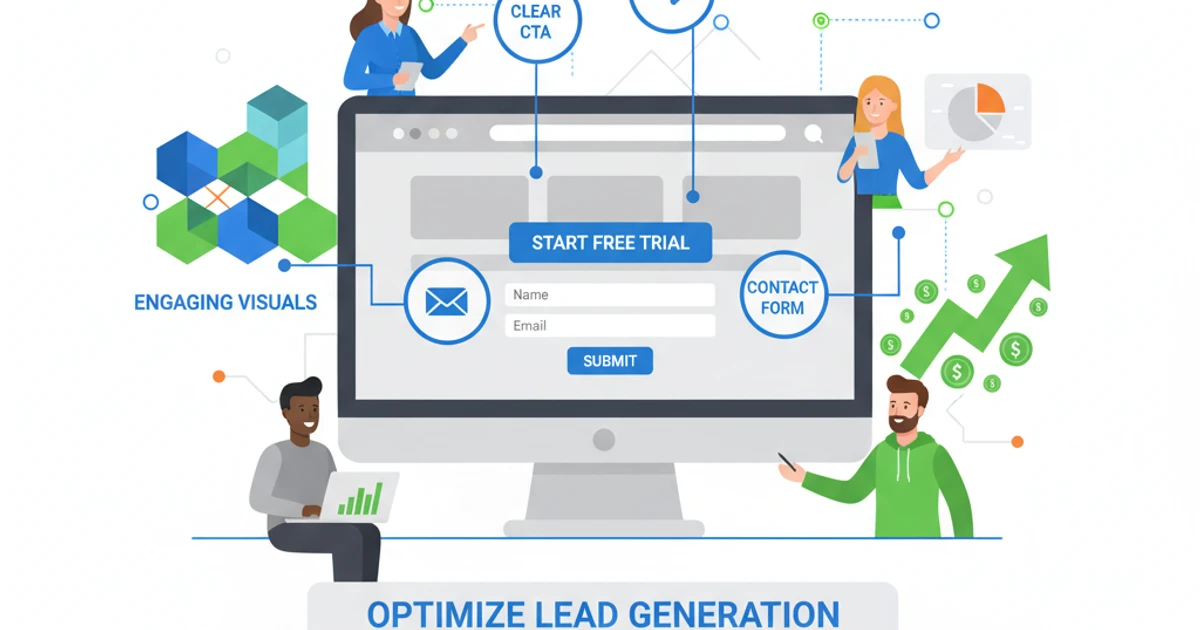
Your website is often the first place business owners experience your brand, so ensuring it drives lead generation is vital. An effective site doesn’t just inform; it motivates action. Smart optimizations can transform casual visitors into engaged prospects, giving your sales pipeline a steady flow of qualified leads.
Create Compelling and Clear Value Propositions
Business owners are short on time and high on expectations. A strong value proposition displayed above the fold instantly communicates why your agency is the right choice. Make every word count.
Slack offers a great example through their homepage headline, “Slack brings the team together, wherever you are,” paired with a clear benefit-driven subheading. This directly addresses what business owners care about: efficiency and collaboration. Clarity beats cleverness; avoid industry jargon and focus on tangible benefits your clients will receive.
Implement High-Converting Call-to-Action (CTA) Buttons
CTAs direct visitors toward conversion, but placement and wording matter. Use actionable, benefit-driven language—like “Get Your Free Marketing Audit” instead of a bland “Learn More.” Testing different CTAs can boost conversion rates dramatically.
CoSchedule increased their demo signups by 24% by redesigning their CTA buttons and making them more prominent on high-traffic pages. Simple color changes, contrasting backgrounds, and clear next steps all contributed to higher engagement.
Use Landing Pages Optimized for Business Owners
Landing pages focused on specific services or audience segments can significantly increase lead capture. Rather than sending all traffic to a generic contact page, create pages tailored for different industries or business sizes you serve.
HubSpot utilizes targeted landing pages for each of its marketing tools, often paired with customer testimonials, trust signals, and concise forms. This approach delivers a more personalized experience and helps convert business owners who are often comparison shopping.
Enable Lead Capture Forms and Chatbots
Lead capture forms should be short, simple, and strategically placed. Limiting to essential fields—such as name, business email, and company—can decrease friction while maintaining quality.
Live chat and AI chatbots provide instant answers to common business questions and can qualify leads in real-time. Intercom reports that websites using their chatbot achieve up to a 40% increase in qualified lead conversions compared to static forms alone. Responsive support creates trust and meets the on-demand expectations business owners have.
Reference: 10 Simple Ways to Optimize Your Website for Lead Generation
3. Leverage Content Marketing Strategies
Content marketing remains a cornerstone for effective lead generation, offering business owners a sustainable way to attract, educate, and convert prospects. By routinely delivering valuable information, marketing agencies can build trust while addressing real-world challenges faced by their audience. The most engaging content strategies are grounded in authenticity and are tailored to specific industry needs, as highlighted in 7 strategies for 2025 on lead generation.
Develop Industry-Specific Blog Content
Publishing blog content that speaks directly to the interests and pain points of your target industry can position your agency as an expert. For example, HubSpot’s Marketing blog publishes targeted posts on emerging SEO trends, illustrating how specific approaches drive measurable traffic gains. Each blog should include actionable advice and be optimized for relevant long-tail keywords to improve visibility and organic lead generation.
Consistent blogging allows agencies to clarify common marketing misconceptions, share client success stories, and respond to timely industry developments. This type of content not only attracts prospects but nurtures relationships over time.
Offer Free Resources (eBooks, Whitepapers, Guides)
Free, value-packed resources such as eBooks or detailed guides serve as lead magnets, capturing contact information from prospective clients interested in in-depth knowledge. For instance, Salesforce regularly releases comprehensive whitepapers on automation trends, which consistently drive thousands of qualified downloads each quarter.
Make these resources easily accessible on your website, and highlight what makes them distinct or timely. Ensure all materials are research-backed; for specialized markets, including proprietary data or relevant case studies can further boost credibility.
Host Webinars and Educational Online Events
Webinars are a proven method to create two-way engagement and establish authority. According to lead generation ideas for 2024, interactive events are effective for educating audiences while capturing high intent leads.
For example, Moz’s annual SEO webinars attract thousands of participants by offering actionable insights and live Q&A sessions. Promote events through targeted LinkedIn campaigns, and post-event, share recordings to maximize reach.
Utilize Video Content for Engagement and Credibility
Short-form and long-form video content—ranging from client testimonials to explainer videos—can humanize your brand and build faster rapport. According to Wyzowl’s 2023 report, 88% of marketers confirm that video delivers positive ROI, making it a compelling tool for agencies.
Use platforms like YouTube or LinkedIn to showcase case studies, office culture, and tutorials. Thoughtful video content increases time spent on site and can nudge prospects toward scheduling consultations or downloading gated resources.
Reference: How to Leverage Content Marketing, According to a ...
4. Utilize Social Media Channels Effectively
4. Utilize Social Media Channels Effectively
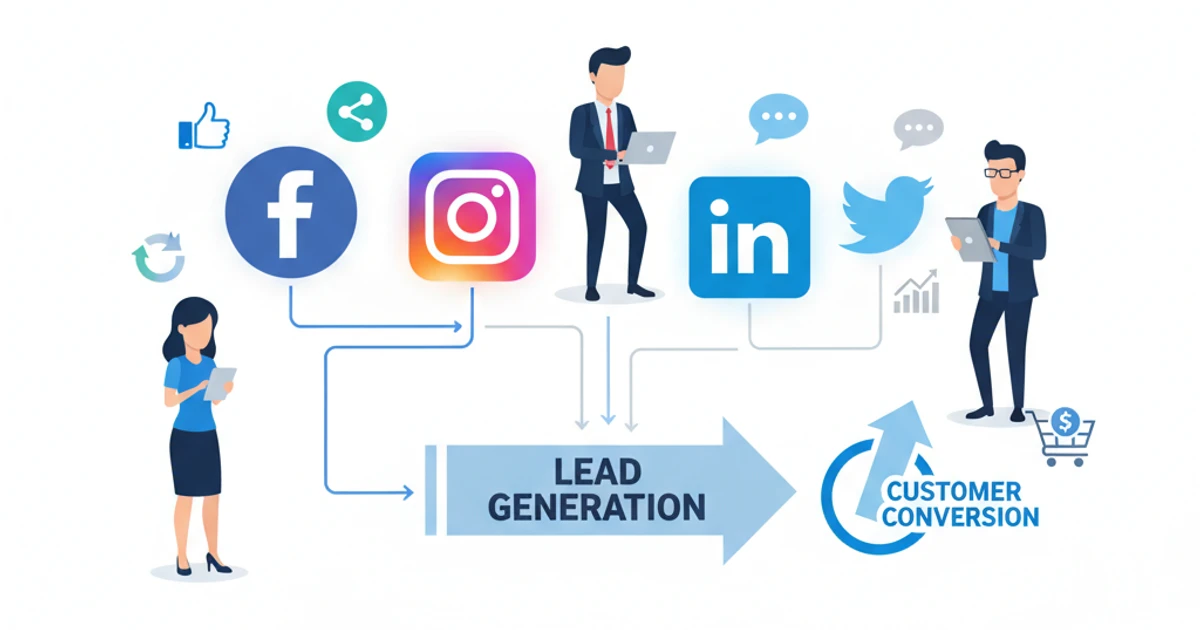
Proper use of social media can be transformative for business owners seeking to generate consistent, high-quality leads. Selecting the right platforms and leveraging them strategically enables agencies and brands to build genuine credibility, broaden their reach, and directly engage potential clients where they are most active.
Identify the Best Social Platforms for Business Owners
Each social network serves a different audience and business objective. For agencies targeting B2B clients, LinkedIn stands out due to its professional focus. In fact, a HubSpot study found that LinkedIn is 277% more effective for lead generation than Facebook or Twitter. Instagram and Facebook are suited for brands with visual products or seeking local business engagement, while Twitter is valuable for thought leadership and industry trend tracking.
An example: Sprout Social, a social media management tool, built a strong presence on LinkedIn by sharing actionable marketing insights, which helped them attract over 30,000 followers and generate regular inbound leads from enterprise clients.
Build Authority Through Thought Leadership Content
Thought leadership positions your brand as a trusted resource in the industry. Agencies can post original perspectives, case studies, and results-driven stories. Consistent publishing demonstrates expertise and helps establish long-term trust with potential clients.
Consider how Neil Patel leveraged LinkedIn posts that included in-depth SEO tips and real customer results. By sharing these insights weekly, his consultancy saw a measurable increase in inbound inquiries.
Run Targeted Paid Campaigns to Attract Quality Leads
Social platforms offer sophisticated ad targeting options. For instance, Facebook’s Ads Manager allows businesses to filter audiences based on behaviors, interests, and job titles. This ensures marketing dollars reach decision-makers, not just general followers.
Zoho, a SaaS company, used LinkedIn Sponsored Content to target decision-makers at mid-sized firms, resulting in a 15% increase in qualified demo requests in one quarter. The lesson: refining audiences leads to higher-quality leads and better ROI.
Engage and Network with Prospects via Community Groups
Joining and actively participating in niche LinkedIn Groups or Facebook Communities exposes your business to relevant audiences. Direct engagement allows brands to share expertise, answer questions, and build relationships organically.
For example, Score.org’s mentors often participate in small business Facebook groups, offering advice and tools tailored to group members. This not only helps community members but consistently drives targeted, inbound leads to their free mentorship program.
Reference: Create engaging & effective social media content
5. Implement Multi-Touch Email Marketing Campaigns
Multi-touch email marketing campaigns use a coordinated series of strategically crafted emails sent across key touchpoints in the buyer's journey. These campaigns aim to build trust, increase engagement, and nurture prospects toward conversion by delivering timely, relevant information at each interaction. Successful multi-touch email strategies rely on personalization, segmentation, and continuous optimization to ensure communications resonate with recipients and drive measurable results.
Segment Email Lists by Buyer Personas
One of the first steps in an effective multi-touch campaign is segmenting your email lists by buyer personas. This allows for tailoring content to speak directly to the unique needs, pain points, and motivations of each group.
For example, HubSpot found that marketers who segment their lists can see up to a 760% increase in revenue. A B2B marketing agency might segment prospects into groups such as technology startups, established retail brands, and healthcare providers, ensuring messaging is relevant to each sector’s challenges.
Neglecting segmentation can lead to generic messaging that underperforms, resulting in lower open and click-through rates. Business owners should work with their marketing teams to define persona criteria such as company size, industry, job title, or buying stage before launching email sequences.
Personalize Outreach with Relevant Offers
Personalized emails outperform one-size-fits-all campaigns—both in engagement and conversion. This goes beyond simply addressing the recipient by their first name. True personalization involves offering tailored content, solutions, or promotions that match the recipient’s stage in the decision-making process.
For instance, Adobe sends personalized demo invites to users who have recently engaged with specific product features. According to Experian, emails with personalized subject lines are 26% more likely to be opened. By leveraging recent behavior and preferences, agencies can ensure their outreach feels authentic rather than intrusive.
Automate Follow-Ups to Nurture Warm Leads
Automated follow-ups can efficiently nurture warm leads without overwhelming sales teams. Business owners can use tools like Mailchimp, ActiveCampaign, or Salesforce Pardot to trigger follow-up emails when prospects interact with previous messages or visit a pricing page.
Gong.io, for example, automatically sends educational content to prospects after a demo request, helping guide leads until they're sales-ready. Properly timed automation ensures no potential client slips through the cracks, while still allowing your team to focus on personalized outreach for highly engaged leads.
Track and Optimize Email Open and Response Rates
Constant monitoring and adjustment are critical to the success of any multi-touch campaign. By tracking open, click-through, and reply rates, agencies can test different subject lines, send times, or content formats to improve performance over time.
Dropbox Business famously increased trial conversions by 10% after A/B testing their welcome email sequence. It's important to audit underperforming emails, remove unengaged contacts, and experiment with concise calls to action. A steady process of review, revision, and testing helps ensure your campaigns continue to deliver value and sustain engagement among business prospects.
Reference: Multi-Touch Triggered Email Campaigns: Best Practices & ...
6. Partner with Marketing Agencies for Accelerated Results
6. Partner with Marketing Agencies for Accelerated Results
Collaborating with a marketing agency can provide business owners with access to specialized expertise, scalable resources, and proven strategies that may otherwise be difficult to attain in-house. However, achieving meaningful, accelerated results requires a thoughtful approach to selecting, aligning, and working alongside the right agency partner. Below, we break down best practices for maximizing agency partnerships using real-world examples and actionable guidance.
Evaluate the Right Marketing Agency to Meet Business Goals
Finding an agency that aligns with your unique objectives is vital. Not all agencies offer the same services or industry know-how, so careful vetting is required. Begin by identifying agencies with a track record in your sector and for your desired marketing channels.
For example, when Casper—the mattress startup—sought explosive growth, they chose Red Antler, a branding and marketing agency with expertise in launching consumer brands. This partnership contributed to Casper’s streamlined go-to-market strategy, enabling faster market penetration without building an internal team from scratch.
Align on Metrics, Reporting, and KPI Targets
Before launching campaigns, set clear expectations regarding key performance indicators (KPIs), reporting frequency, and definitions of success. This ensures both parties stay accountable and aligned in their objectives.
A practical approach includes agreeing on monthly lead generation targets, cost-per-acquisition goals, or branded search uplift. For instance, HubSpot recommends biweekly reporting meetings with agency partners, using specific dashboards and benchmarks accessible to both sides. This transparency minimizes misunderstandings and enables course corrections in real time.
Collaborate on Campaign Development and Execution
Effective partnerships are built on two-way collaboration rather than a hands-off or black-box approach. Engage in joint brainstorming sessions, co-develop creative briefs, and provide timely feedback. When Spotify worked with the Droga5 agency, both teams collaborated closely from campaign concept to rollout. The open communication led to award-winning campaigns and higher brand recall rates.
Regular check-ins, shared project management tools, and open dialogue promote a true sense of partnership, unlocking innovative solutions that neither party could realize alone.
Leverage Agency Tools, Networks, and Expertise
Agencies often have access to premium tools and industry insider connections that can be cost-prohibitive for a single business. This might include advanced analytics platforms like SEMrush for keyword research, exclusive media buying platforms, or relationships with top influencers.
When Allbirds launched their new line of eco-friendly shoes, they leaned on their agency’s relationships with sustainability-focused publications to secure earned media placements. Such advantages can drastically amplify reach and accelerate results, especially during product launches or seasonal campaigns.
Reference: 10 Best Performance Marketing Agencies to Drive ROI in ...
7. Measure, Analyze, and Continuously Improve
Building a sustainable lead generation strategy requires more than just launching campaigns and waiting for results. Consistent improvement comes from setting measurable objectives, monitoring results, and learning from actual performance. A methodical approach ensures resources are optimized and campaigns drive true business growth.
Set Clear Lead Generation KPIs and Goals
Before you can measure success, it’s crucial to establish specific KPIs—such as cost per lead, lead-to-client conversion rate, and marketing qualified leads per month. These metrics provide a framework for assessing performance and identifying improvement areas.
For instance, Salesforce tracks cost per lead and pipeline attribution, enabling their sales and marketing teams to pinpoint which channels deliver the best ROI. This level of specificity empowers targeted decision-making and budget allocation.
Use Analytics to Identify High-Converting Tactics
Analytics tools such as HubSpot, Google Analytics, and Segment are invaluable for monitoring which strategies produce the most qualified leads. Reviewing data on website traffic sources, form submissions, and email open rates allows for quick visibility into what’s working and what isn’t.
Take the example of Neil Patel Digital, which used A/B testing and heatmaps to discover that leads from educational blog content converted at a 25% higher rate than those from generic landing pages. By drilling into this data, they were able to double down on high-performing tactics.
Test, Iterate, and Scale Successful Campaigns
The most successful agencies view every campaign as a learning opportunity. Testing different headlines, call-to-action designs, or ad platforms can reveal subtle preferences within your target audience. Documenting results from each iteration helps avoid repeating mistakes and solidifies best practices.
For example, Zendesk incrementally improved their enterprise lead generation funnel by running targeted experiments on LinkedIn Ads, ultimately reducing their cost per acquisition by 18%. This commitment to iterative testing underpins long-term growth.
Gather Feedback from Leads and Refine Approach
Collecting feedback directly from prospects not only improves campaign messaging—it also uncovers pain points you may have missed. Short post-contact surveys or follow-up calls help clarify buyer motivations and objections.
Dropbox has regularly applied client feedback to fine-tune their onboarding emails, increasing activation rates by 10%. By listening to real-world experiences, agencies can better align their strategy with evolving client needs and market conditions.
Reference: 7 Types of Process Improvement Methodologies [2025]
Conclusion
Recap: Essential Strategies for Generating More Leads
Business owners face a rapidly shifting landscape when it comes to lead generation. Effective strategies rely on blending traditional relationship-building with modern digital techniques, ensuring no opportunity is left untapped.
Segmenting your audience and crafting tailored messages improves the resonance and conversion rates of your campaigns. For example, HubSpot’s research found that companies using segmented email campaigns saw a 760% increase in revenue. Tailoring communication ensures your outreach is always relevant and actionable.
The Benefits of Targeted Tactics and Strategic Agency Partnerships
Targeted lead generation is far more efficient than casting a wide net. Effective use of tools like Google Ads or LinkedIn’s advanced targeting features lets you reach prospects based on specific industries, roles, and interests. This replaces guesswork with precision.
Strategic alliances with marketing agencies offer businesses a competitive edge. For instance, when Bonobos, the e-commerce menswear brand, partnered with performance marketing firm Metric Theory, they achieved a 42% year-over-year boost in paid search conversions. Agencies provide expertise, technology, and scalable strategies not easily replicated in-house.
Ongoing Testing, Learning, and Optimization
Continuous optimization ensures that lead generation processes adapt and improve. A/B testing landing pages or email subject lines, for example, can reveal what actually drives action. Dropbox famously increased conversions by 10% by testing different homepage explainer videos and signup flows.
Even unsuccessful tests provide valuable insight. If a Facebook ad campaign underperforms, adjusting creative elements or targeting can transform results over time. Consistent review and adaptation lead to more effective long-term growth.
Actionable Next Steps and Consulting with a Marketing Agency
To advance your lead generation, consider a structured approach:
- Define clear buyer personas using data from your existing customers.
- Audit your current digital assets—websites, landing pages, ad accounts—and identify weak links.
- Implement one new targeted tactic, such as LinkedIn retargeting ads, to gauge performance.
- Book an exploratory meeting with a marketing agency to discuss your goals and challenges. A reputable agency can provide an actionable assessment and suggest a roadmap tailored to your industry.
Strategic partnerships can accelerate your growth by bringing outside perspective and expertise. Consider scheduling a consultation with an experienced marketing agency to audit your lead generation efforts and unlock new opportunities for your business.
FAQ
How can business owners determine the most effective lead generation strategy for their industry?
Determining the right lead generation strategy starts by thoroughly analyzing your target market, buyer personas, and sales cycle length. For example, B2B companies in the technology sector often succeed with content-driven approaches like webinars and whitepapers, whereas local restaurants may see better results from Google My Business optimization and referral programs.
Industry leaders like HubSpot provide free benchmark reports showing that B2B marketers generate 67% more leads per month when blogging compared to those who don't. Reviewing competitors' approaches—via tools like SEMrush or SpyFu—can also reveal which channels drive the most engagement and conversions in your market segment.
Why should a business owner consider working with a marketing agency versus in-house efforts?
Hiring a marketing agency gives business owners immediate access to extensive expertise, technology, and creative resources that may be costly to replicate in-house. An agency like Ogilvy, for instance, leverages cross-industry insights and proprietary data to quickly adapt campaigns.
Agencies typically provide a broader skillset—from SEO and PPC to design—than a small internal team can offer. This breadth reduces risk, shortens ramp-up times, and often results in a higher ROI, as seen with companies like Warby Parker, which outsources digital campaigns for scalability.
When is the right time to invest in paid advertising campaigns for lead generation?
Paid campaigns become valuable once a business has validated its core offering and understands its audience’s online behaviors. For example, Canva used Facebook Ads after comprehensive user testing and saw a 14% increase in sign-ups in their first month.
If organic channels are already performing well and you’re looking to accelerate growth or promote a new launch, paid ads like Google Ads or LinkedIn Sponsored Content provide quick feedback and scalable results—provided you have the budget for testing and optimization.
How do I measure if my lead generation efforts are delivering ROI?
Tracking lead quality and cost per conversion is key. Use tools like Salesforce or HubSpot CRM to attribute leads directly to their channels, monitor pipeline progress, and compare revenue generated versus marketing investment.
Marketo’s benchmark report shows that mature marketers tie at least 70% of their leads to specific campaigns, making incremental ROI much clearer. Without clear tracking, it’s difficult to optimize budget allocation or double down on high-performing campaigns.
What common mistakes do business owners make with content marketing for lead generation?
One major error is prioritizing quantity over quality. Many businesses churn out frequent but unfocused blog posts, neglecting keyword research or unique insights. A real-world example: In its early days, Buffer published daily but saw little traction until it focused on high-value, data-backed content—resulting in a 60% increase in monthly leads.
Another pitfall is not nurturing leads—failing to follow up with targeted emails or retargeting, which often leaves warm prospects disengaged before they convert.
How can a business owner increase qualified leads without expanding their marketing budget?
Improving lead quality typically involves optimizing conversion rates at existing touchpoints. For instance, Moz boosted demo sign-ups by 25% after A/B testing form layouts and CTA buttons, with no additional ad spend.
Building partnerships and referral programs, using tools like ReferralCandy, often generates high-converting leads at minimal cost. Reviewing analytics for underperforming landing pages or CTAs can also reveal opportunities to drive more qualified prospects without new investments.