Chat AI: How Artificial Intelligence Is Transforming Business and Communication
Discover how chat AI is boosting business efficiency and transforming customer conversations for a clear competitive advantage.


Imagine messaging a company at midnight and receiving a helpful, detailed answer within seconds—no waiting, no call hold music, just instant support that feels almost human. That's the reality for many businesses and their customers as chat AI steps out of science fiction and into the heart of modern communication. Yet as these intelligent platforms become more integrated into our daily interactions, organizations face tough questions about balancing automation with genuine connection.
Businesses everywhere are uncovering how chat AI turbocharges customer engagement, streamlines operations, and sharpens their competitive edge by deploying chatbots, voice assistants, and smart agents across sales, marketing, and support. As these powerful tools become easier to implement, organizations of every size are rethinking what it means to communicate well, serve customers promptly, and automate complex workflows—all without major investments in time or tech expertise.
In the race to stay ahead, businesses embracing AI-driven chat aren't just automating conversations—they're rewriting the rules of connection, productivity, and customer trust.
Reference: How AI Chatbots are Transforming Businesses
Understanding Chat AI and Its Role in Modern Business
What is Chat AI? Definitions and Fundamentals
Chat AI refers to software systems that leverage artificial intelligence to simulate human-like conversations through text or voice interactions. These systems are capable of understanding intent, processing language, and providing relevant responses, creating smoother, more natural user experiences.
The core principles involve natural language processing (NLP), machine learning, and context awareness. Tools like GPT-4 and Google’s Dialogflow exemplify chat AI’s capacity to interpret and respond to complex queries, unlike basic scripted bots. Chat AI systems learn from user inputs, evolve over time, and adapt to diverse communication styles.
Unlike traditional automation, chat AI offers personalization and contextual awareness. For example, Bank of America’s Erica uses AI to recognize account patterns, remind customers about payments, and answer nuanced questions — tasks conventional automation can’t easily address.
Differentiating Chatbots, AI Chatbots, and Intelligent Agents in AI
While "chatbot" is a catch-all term, distinctions exist. Traditional, rule-based chatbots follow scripted paths, which means they can only handle set phrases. AI-powered chatbots like Drift’s Conversational AI, by contrast, leverage machine learning to parse varied user queries and adapt their responses accordingly.
Intelligent agents broaden these capabilities further, incorporating proactive decision-making and broader data access. Amazon’s Alexa, for example, can control smart devices, book appointments, and perform tasks beyond simple chatting. Businesses increasingly use intelligent agents for workflow automation, customer service, and IT support.
The right fit depends on operational need. H&M uses a combination: a rule-based bot for order tracking, and a more advanced AI chatbot for styling advice, improving customer satisfaction and efficiency.
Why Artificial Intelligence Is Becoming Essential for Business
The need for reliable 24/7 support has never been greater. Gartner reports that deploying conversational AI can reduce customer service costs by up to 30%. Companies like American Express use AI chatbots to provide round-the-clock assistance, ensuring rapid responses outside traditional business hours.
Automation extends to analytics and ROI. Spotify’s AI-driven bots help categorize user queries, speeding up case resolutions and lowering operational expenses. Ultimately, chat AI supports a seamless digital experience — a baseline expectation for many customers today, especially as digital commerce expands.
The Evolution of AI in Business Communication
AI’s growth in business communication has accelerated over the past decade. Early digital assistants like Apple’s Siri laid the groundwork, but today’s AI communication tools enable richer and more contextual conversations.
- In 2016, Sephora integrated an AI chatbot on Facebook Messenger to deliver tailored product recommendations, significantly increasing online sales.
- Slack’s use of intelligent bots for IT ticketing and HR queries has shifted internal communications from slow email exchanges to swift, interactive problem-solving.
The adoption of these tools signals a shift from static, scripted messaging to dynamic, intelligent interaction, driving both internal efficiency and enhanced customer engagement.
The Impact of AI Chatbots on Customer Engagement
How AI Chatbots Improve Customer Support and Satisfaction
AI chatbots have transformed how brands interact with customers by delivering rapid, reliable, and scalable support. Unlike traditional channels, they can provide instant responses to customer queries 24/7, even during peak periods or outside normal business hours. For example, H&M’s chatbot on its online store recommends outfits and answers questions immediately, reducing the need for human intervention.
Chatbots also help businesses minimize wait times and human error by resolving straightforward requests autonomously. In banking, Bank of America’s Erica chatbot efficiently handles millions of routine account inquiries, setting a precedent for error reduction and efficient problem-solving.
This technological advancement has had a measurable impact on customer satisfaction scores. According to a Salesforce report, 64% of service professionals say AI chatbots enable them to provide better support, resulting in noticeable improvements in CSAT metrics.
Use Cases of Chatbots Online Free vs. Enterprise AI Solutions
Free online chatbots and enterprise-grade AI solutions offer very different features and scalability. Free tools like Chatbot.com or Tidio provide essential capabilities for answering FAQs, but lack advanced integration and analytics features.
These free solutions are particularly accessible for startups and SMBs looking to reap the benefits of automation without heavy investment. For instance, small e-commerce companies often use Tidio to automate order tracking for their customers.
In contrast, enterprise chatbots, such as IBM Watson Assistant, are capable of handling complex business processes, including personalized recommendations and multi-system integrations for industries like insurance or healthcare.
Boosting Operational Efficiency with Automated Responses
Automated responses powered by chatbots reduce the human workload associated with routine tasks. Instead of manually answering common questions, staff can redirect their focus to strategic initiatives.
Large travel agencies use chatbots to automate FAQ responses, process bookings, and manage cancellations, freeing up agents to focus on customer problem-solving. Booking.com’s chatbot, for instance, resolves over 60% of customer requests for reservation details automatically.
This shift enables employees to contribute to higher-value work, empowering support teams to dedicate time to complex issue resolution and customer retention activities.
Examples of AI Chatbot Integration in Leading Companies
Well-established brands across industries have integrated AI chatbots to achieve measurable results. In retail, Sephora’s virtual assistant guides shoppers through product choices and saw an increase in conversion rates after launch.
In finance, Capital One’s Eno chatbot manages thousands of daily account inquiries, lowering operational costs and boosting customer engagement. Healthcare companies, such as the Cleveland Clinic, have adopted chatbots for appointment scheduling and COVID-19 screening, improving efficiency and reducing call center volume.
These real-world cases demonstrate that successful enterprise chatbot adoption hinges on clear objectives, robust training, and ongoing improvements based on user feedback.
Leveraging Voice AI: Transforming Conversations and Service
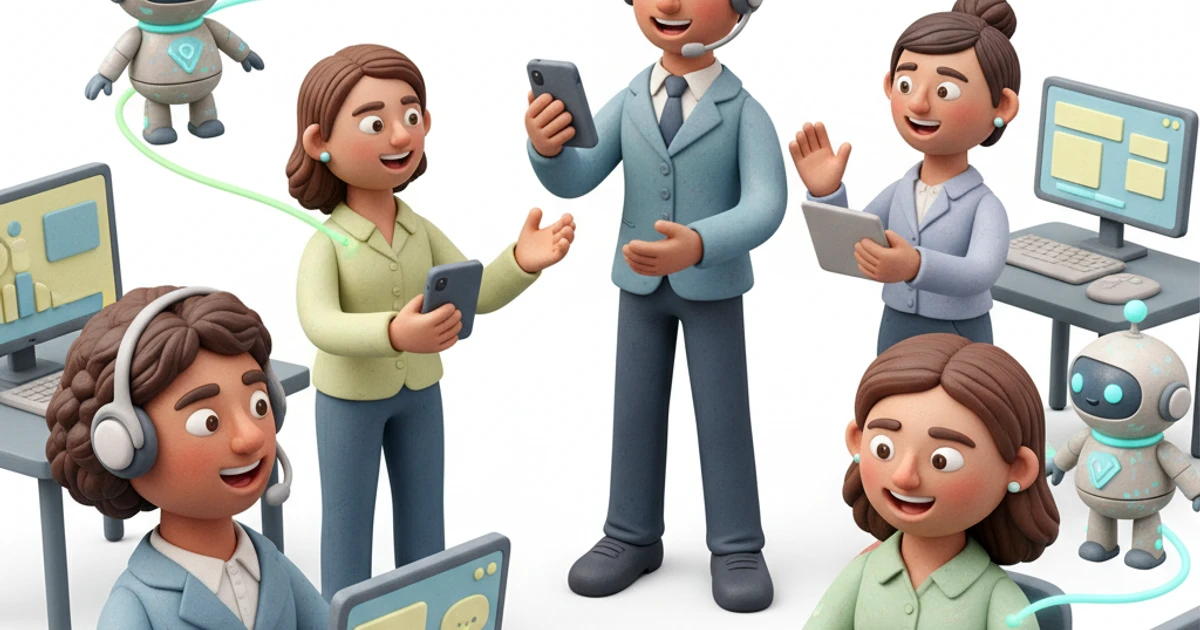
Leveraging Voice AI: Transforming Conversations and Service
The Rise of Artificial Intelligence Voice and Vocal AI in Business
Voice AI technologies are seeing a substantial surge in business adoption, as more companies seek to streamline communication and customer engagement. According to Juniper Research, voice-based commerce is projected to reach $80 billion in sales by 2023, reflecting rapid integration across sectors.
The demand for hands-free and accessible interaction has shifted consumer expectations, especially in customer service scenarios. Large retailers, such as Walmart, now deploy voice ordering via Google Assistant, allowing shoppers to restock items using natural speech. This exemplifies how customer preferences are shaping the evolution of service models.
Telecom, healthcare, and finance are notable adopters, with IDC reporting nearly 50% of enterprises using or piloting voice AI for some operational process by 2023. Adoption rates are highest in industries where real-time response and convenience are vital.
Voice AI Chat and AI Voice Free Tools: What’s Available?
Voice-enabled platforms are increasingly accessible, presenting a wide array of free and paid options for businesses. Tools like Google Dialogflow and Microsoft Azure Speech still dominate, but free offerings such as Mozilla DeepSpeech provide powerful alternatives for smaller teams without licensing fees.
Comparing these platforms:
- Google Dialogflow: User-friendly, robust integrations, strong natural language processing capabilities.
- Azure Speech: Advanced neural voices, enterprise-ready security, and seamless scalability.
- DeepSpeech: Open-source, ideal for custom solutions, but may require more technical expertise.
Differences in ease-of-use and support often make paid platforms preferable for enterprises, while free or open-source tools suit startups and small businesses seeking customization without major investment.
Integrating AI Voice Over and Speech Technology for Better Outreach
Speech technologies now empower companies to dramatically expand their reach. Multilingual support, as featured in Amazon Polly, lets brands communicate with broader audiences—Overstock has translated entire IVR menus to serve international customers.
Interactive Voice Response (IVR) powered by AI, like that deployed by Delta Air Lines, streamlines call routing and reduces customer wait times. These solutions not only enhance efficiency but also deliver a consistent brand experience by using synthetic yet natural-sounding voices.
In call centers, AI-backed virtual assistants assist agents by transcribing and analyzing calls in real time. For example, NICE CXone leverages speech tech to auto-summarize conversations, boosting productivity and accuracy for support teams.
AI Voice Chatbots vs. Human Agents: Benefits and Challenges
The efficiency and scalability offered by AI voice chatbots are difficult to match. Capital One’s Eno, for example, handles thousands of financial queries per day without human intervention, freeing agents for complex tasks. This results in measurable cost reduction and improved consistency.
Yet replicating emotional intelligence remains challenging. AI frequently struggles to read nuanced customer emotions or complex circumstances, which sometimes leads to frustration. Surveys by PwC reveal that 59% of US consumers believe companies have lost touch with the human element in customer service.
Effective implementations balance AI automation with timely access to human support. American Express has structured its customer service workflows to escalate sensitive or unresolved issues directly to experienced agents, blending efficiency with empathy for better outcomes.
Reference: Why Voice AI Is Finally Transforming the Call Center | CommBox
AI Tools for Business: Enabling Automation and Productivity
Essential AI Tools and Artificial Intelligence Tools for Business Use
AI technologies are fast becoming a core part of business operations, streamlining everything from customer engagement to in-depth analytics. The most effective AI tools typically fall into categories such as chatbots, workflow automation platforms, and analytics engines. Tools like Intercom leverage conversational AI to provide round-the-clock customer support, while Zapier automates repetitive manual tasks, freeing up employee time for creative work.
Integrating these AI tools into day-to-day business operations can enhance responsiveness and data-driven decision making. For example, Salesforce Einstein uses AI to analyze CRM data, uncovering customer insights and sales opportunities. When evaluating solutions, consider ease of integration, scalability, and the quality of vendor support as key criteria for selecting the best-fit AI tool.
AI Automation and Workflow Management: From Booking AI to CRM
Automating repetitive processes allows businesses to focus on higher-value activities. AI-powered workflow management platforms—such as UiPath for robotic process automation (RPA)—enable finance teams to automate invoice processing and data entry, significantly reducing error rates and processing times.
Integrating AI with existing CRM and booking systems leads to notable efficiency gains. For instance, Hilton Hotels deployed an AI-driven booking assistant that handles routine queries, resulting in faster response times and more satisfied guests. According to a McKinsey report, companies embracing these AI solutions have seen marked improvements in productivity and resource allocation.
Free AI Solutions and AI Freeware for Startups and Small Businesses
For startups and small businesses on tight budgets, free AI tools can offer essential automation and analytics without up-front investment. Platforms like Google Analytics’ AI-powered insights and the open-source chatbot Rasa enable low-cost experimentation with artificial intelligence. These solutions are particularly beneficial for early-stage companies seeking to enhance efficiency before scaling.
However, the trade-offs between freeware and paid solutions are worth considering. Free tools may lack advanced features or dedicated support, while paid platforms like HubSpot provide more robust automation and integrations. Resource-constrained businesses should weigh flexibility and scalability as they evaluate these options.
Assessing the ROI of Tool AI Adoption
Calculating the return on investment (ROI) for AI adoption requires clear metrics. Key performance indicators (KPIs) might include time saved through automation, error reduction rates, or increases in lead conversion. For example, Stitch Fix reported a 25% improvement in inventory forecasting accuracy after AI implementation, directly impacting bottom-line profitability.
Beyond cost savings and productivity gains, organizations must consider long-term benefits such as improved employee satisfaction and scalability. Early evidence from large-scale research, including findings from the McKinsey report, indicates that while many companies are investing in AI, only a small fraction believe they have fully matured in their journey—suggesting ongoing opportunities for growth and optimization.
Reference: The best AI productivity tools in 2026
AI in Marketing: Boosting Personalization and Reach
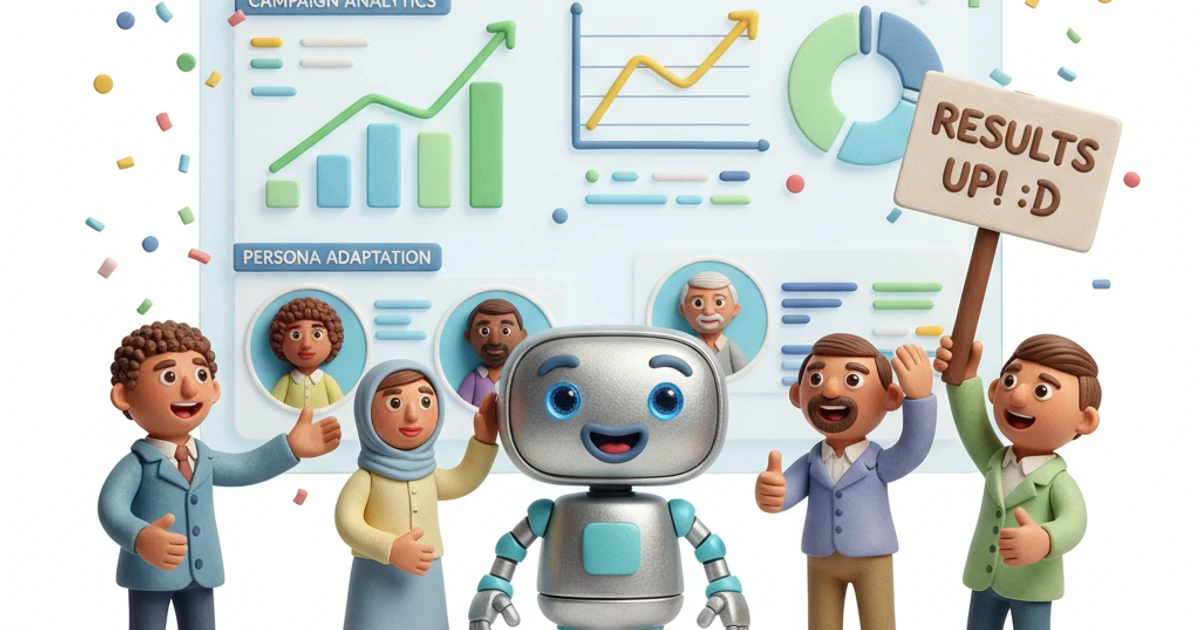
AI in Marketing: Boosting Personalization and Reach
Applying Marketing AI and Artificial Intelligence Agency Solutions
Businesses are increasingly collaborating with specialized artificial intelligence agencies to supercharge their marketing performance. These partnerships give brands access to advanced machine learning, natural language processing, and predictive analytics tools that might otherwise be out of reach.
For instance, Coca-Cola has worked with AI agencies to analyze consumer sentiment and optimize their creative campaigns. By tapping into AI-powered platforms, companies can automate media buying and refine their messaging to better resonate with target audiences. Common AI applications in marketing include chatbots for customer service, programmatic ad buying, and real-time content optimization. These technologies help brands strengthen their market positioning and maximize their outreach efforts effectively.
How AI in Marketing Drives Personalization and Targeted Advertising
AI is profoundly transforming personalization and targeted advertising by crunching massive amounts of data for ultra-precise audience segmentation. Marketers can now divide their audiences by behavior, preferences, and even predictive intent, enabling them to deliver custom-tailored messages.
Spotify leverages machine learning to curate hyper-personalized playlists for users based on listening habits, driving higher engagement and loyalty. Similarly, Netflix analyzes viewing data to power its recommendation engine, resulting in 80% of streamed content coming from these tailored suggestions. The impact of AI-driven insights is clear: smarter targeting increases conversion rates and delivers measurable marketing ROI.
Tools AI for Campaign Optimization and Analytics
Marketers now have access to a wide range of AI-powered tools to optimize campaigns and deepen analytics. Platforms like Salesforce Einstein and HubSpot's AI marketing suite enable automated A/B testing, personalized content, and lead scoring—all enhanced with machine learning.
AI-driven analytics provide real-time feedback, allowing marketers to pivot strategies quickly. For example, The North Face uses IBM Watson to match customers with products via AI-powered recommendations, reporting higher customer satisfaction and increased sales. These use cases showcase how intelligent optimization directly enhances marketing efficiency and return on investment.
Real-World Marketing and Artificial Intelligence Use Cases
Real-world adoption of AI in marketing has delivered tangible value for well-known companies. Starbucks employs predictive analytics to send personalized offers via its loyalty app, resulting in increased customer retention and incremental sales.
L'Oréal harnessed AI chatbots to assist shoppers with product recommendations, leading to improved engagement and a boost in online purchases. These examples highlight that successful marketing AI adoption hinges on clear objectives, quality data, and scalable technology. Brands making data-driven decisions consistently observe better engagement, stronger sales, and deeper customer loyalty from their AI-powered marketing initiatives.
Reference: Unlocking the next frontier of personalized marketing
Building and Integrating AI Solutions
Choosing the Right AI Company or Artificial Intelligence Agency
Success with AI initiatives often hinges on selecting a partner with the right blend of technical expertise and business understanding. The market is crowded with firms offering overlapping capabilities, making differentiation critical for your project’s impact.
Key factors to consider include proven industry experience, technical stack compatibility, and post-implementation support. For instance, Cognitivescale and DataRobot are widely recognized for partnerships in financial services and healthcare, enabling rapid deployment of predictive models while maintaining strict regulatory compliance.
When evaluating candidates, ask questions about how they’ve addressed similar challenges, their approach to scalability, and client references with measurable outcomes. Ensure the agency’s technical specialties—such as deep learning, NLP, or computer vision—fit your immediate and future business goals.
AI Integration Strategies: APIs, Platforms, and Customization
Integrating AI is rarely a one-size-fits-all process. Many companies adopt AI through API-based solutions for faster deployment and reduced complexity. For example, Twilio’s Autopilot API enables enterprises to embed conversational AI into customer service workflows with minimal code changes.
When comparing custom AI development to off-the-shelf platforms, organizations like JP Morgan Chase build proprietary AI tools for trading optimization, while SMBs often leverage solutions such as Microsoft Azure AI or Google Cloud AI for quicker integration and lower up-front costs.
Balancing flexibility against budget is crucial—custom builds can deliver powerful competitive advantages, but require larger investments and longer timelines.
AI Agents and Agents Software: Enhancing Team Capabilities
AI agents are transforming workflows by automating and augmenting team processes. These software tools can handle repetitive tasks, analyze large data sets, or act as virtual co-pilots for project teams. Slack’s Workflow Builder, infused with AI via third-party integrations, streamlines routine approvals and reminders, saving companies thousands of productivity hours annually.
Agents like x.ai’s scheduling assistant or Salesforce Einstein automate communication and scheduling, allowing sales teams to focus more on closing deals. A 2023 report from McKinsey found that AI-powered knowledge agents increased project throughput by up to 20% at Fortune 500 firms.
Overcoming Challenges in AI Integration for Business
Bringing AI into existing operations isn't without hurdles. Legacy data silos, employee resistance, and integration with outdated systems are common issues. Target, for example, tackled data fragmentation by consolidating its data infrastructure before launching large-scale AI personalization for its supply chain.
For successful adoption, engage stakeholders early, invest in staff training, and use phased rollouts. Cross-functional teams and clear KPIs mitigate risks and align initiatives with business objectives. On the compliance front, major banks like Bank of America prioritize robust access controls and end-to-end encryption to meet stringent data privacy requirements during AI deployments.
Reference: A Complete Guide to Building Custom AI Solutions
Future Trends: The Evolution of Chat AI and Intelligent Agents
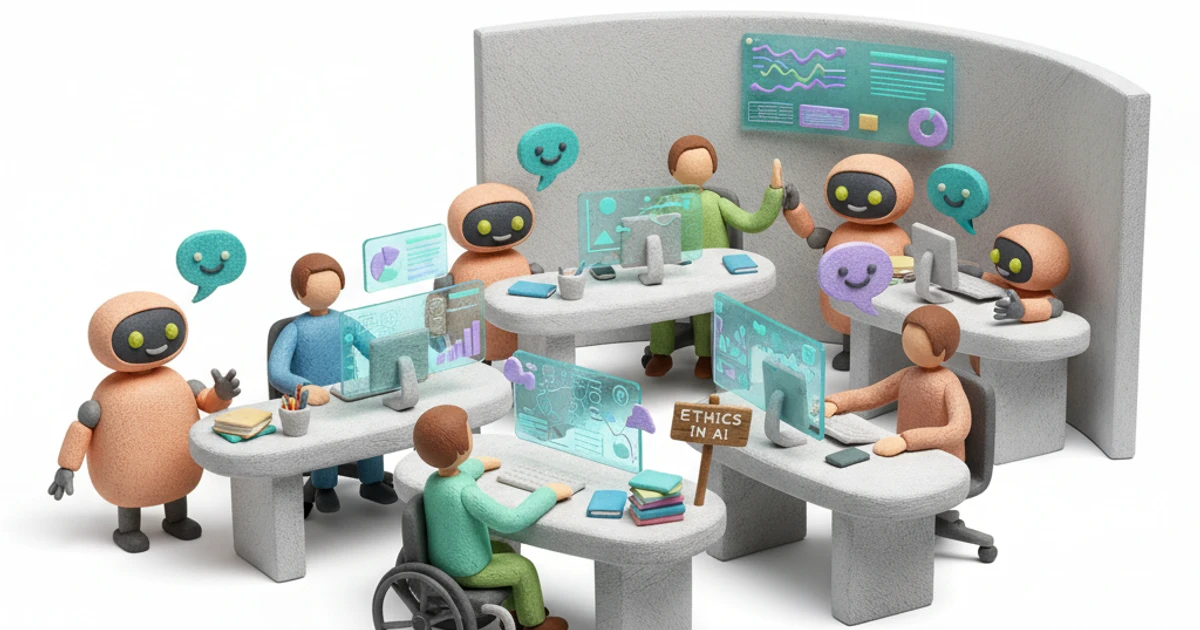
Future Trends: The Evolution of Chat AI and Intelligent Agents
Emergence of Advanced AI and Intelligent Agents in AI
The landscape of AI-driven conversational systems has seen rapid advancements, with intelligent agents becoming more sophisticated each year. These agents are moving beyond rigid scripting to develop self-learning capabilities, enabling dynamic adaptation to new information and tasks.
For example, Google's DeepMind introduced "GATO" in 2022, an agent capable of multitasking across dozens of domains—including playing Atari games, captioning images, and controlling robotic arms. As AI systems improve in context awareness and decision-making, platforms like OpenAI’s GPT-4 can now summarize documents, generate code, and handle nuanced dialogue, making them valuable tools in customer service and technical support for businesses such as Zendesk and GitHub Copilot.
AI for Work: Redefining the Role of Employees and Management
AI-driven automation is prompting organizations to rethink workforce structures. Routine tasks like data entry, appointment scheduling, and basic analytics are now frequently automated, allowing employees to shift focus toward creative problem solving and strategic planning.
Companies like PwC are already implementing AI to support staff in complex risk analysis, while the logistics giant DHL uses AI-powered route optimization to free up workers for more value-added activities. As a result, businesses are investing in large-scale upskilling programs; Amazon, for example, pledged over $1.2 billion to retrain employees in cloud computing and machine learning skills by 2025.
AI Replacing and Augmenting Business Processes
Intelligent agents are transforming processes across finance, healthcare, supply chain, and HR. Key areas impacted include fraud detection—with JPMorgan Chase using AI to process legal documents 360,000 hours faster annually—and healthcare triage, where Babylon Health’s chatbot assists patients 24/7.
While some roles may be replaced, many are being augmented. For instance, L’Oréal employs AI in talent acquisition to shortlist candidates—helping HR teams focus on relationship building. Experts predict these shifts will spawn new industries, similar to the emergence of the app economy after smartphones gained mainstream adoption.
Ethical Considerations and Responsible AI Use
AI’s growing influence raises important discussions about bias, privacy, and transparency. In recruitment, biased algorithms can perpetuate discrimination. Amazon famously discontinued an AI recruiting tool after uncovering gender bias in recommendations.
Regulations are coming into sharper focus. The European Union’s AI Act, proposed in 2021, sets strict guidelines on data protection, model transparency, and risk assessment, prompting U.S. firms to proactively adopt compliance policies. Building and sustaining trust will depend on companies’ commitment to explainable AI and robust oversight of their systems.
Reference: The Evolution of AI: From Bots to Intelligent Agents
Conclusion
Chat AI Drives Tangible Improvements in Business Communication and Automation
Artificial intelligence has become central to communication workflows, particularly through chat-based solutions that streamline both customer and internal exchanges. For instance, Bank of America's Erica processed over 250 million customer requests in 2021, handling tasks such as balance checks and fraud alerts. This automation not only reduces operational costs but also increases speed and responsiveness across business departments.
Companies are witnessing reduced email loads and quicker ticket resolutions by adopting AI chatbots. Real-world usage by Delta Air Lines’ AI-powered messaging, which helped handle a spike of 30% more customer inquiries in 2022, underlines this impact.
AI Tools Empower Businesses to Deliver Faster, More Personalized Experiences
Businesses utilizing AI are able to create tailored touchpoints that improve customer satisfaction. Starbucks integrates AI in its app to analyze customer order history, suggesting drinks or offering rewards based on individual preferences. This boosts engagement and repeat visits while shortening response times for common requests.
Personalization at scale, once a challenge, is increasingly viable with platforms like Salesforce Einstein, which generates product recommendations in real time for millions of users, illustrating the practical power of AI customization.
The Role of Voice AI and Advanced AI Agents is Rapidly Growing
Voice-based AI agents are now key in sectors like healthcare and retail. Mayo Clinic’s virtual voice assistant guides patients through health queries and appointment scheduling, handling thousands of calls daily. Similarly, Walmart leverages voice AI in select stores, enabling customers to create shopping lists or get store information using natural language.
The rise of sophisticated agents—such as Amazon Lex, which powers Alexa—demonstrates the broadening range of AI-led interactions in consumer and enterprise settings.
Integration and Ethical AI Use Remain Pivotal for Sustainable Success
Ensuring seamless integration of AI with existing systems is critical. Slack’s AI integrations, for example, allow teams to analyze conversation patterns and automate follow-ups without disrupting established workflows. However, aligning implementation with privacy standards and ethical frameworks is just as important.
Organizations such as Microsoft have published AI ethical guidelines that prioritize transparency, accountability, and responsible data use. Adherence to such frameworks fosters both trust and long-term business value.
Take Action: Assess How Your Organization Can Implement AI for Business Growth
Evaluating your company’s current needs and digital maturity is the first step toward effective AI adoption. Begin by identifying repetitive processes or high-volume communication channels where automation could deliver measurable value.
Engage stakeholders across departments to gather feedback and pilot targeted AI solutions—whether a chatbot for customer support or analytics tools for marketing insights. Organizations like Capital One started with pilot projects before scaling AI-driven solutions company-wide, illustrating the importance of a measured, strategic approach to AI integration.
Frequently Asked Questions (FAQ)
Navigating the world of AI-powered chat and voice solutions often leads to pressing questions about their advantages, timing, risks, and the right way to implement them. These FAQs provide practical insights, helping business leaders make informed decisions.
How does chat AI differ from traditional customer support tools?
Chat AI delivers automated, real-time conversations, learning from previous interactions and adapting its responses. Unlike standard ticketing software or basic live chat, AI platforms like Zendesk AI and Intercom Fin resolve frequently asked questions, reducing human workload and improving first-contact resolution rates.
For example, KLM Royal Dutch Airlines has used AI-powered chat to handle over 60% of its customer inquiries, versus traditional tools that required more manual intervention and longer response times.
Why should businesses consider adopting artificial intelligence voice solutions?
AI voice solutions enable businesses to provide accessible, conversational support at scale. Voice assistants like Google Duplex can automate routine bookings, freeing up staff for complex tasks.
Domino’s Pizza uses AI-driven phone ordering systems, leading to faster order processing and improved customer satisfaction. These tools often integrate with CRM and analytics platforms, streamlining workflow.
When is the best time to integrate AI chatbots into my business workflow?
Consider deploying AI chatbots when routine queries overwhelm your support team or as your customer base grows. Early adoption helps companies like Sephora leverage chatbot-driven consultations, allowing human agents to focus on high-value interactions.
If your organization launches new products or services frequently, chatbots can automate information-sharing, reducing manual support demands during peak periods.
What are the risks and limitations of using AI for marketing?
AI marketing tools like ChatGPT or Jasper can sometimes generate irrelevant or off-brand content if not monitored. Data privacy and accuracy remain critical concerns; a misstep can harm brand reputation, as seen in the case where Microsoft's Tay chatbot learned and spread inappropriate content.
Ensure proper human oversight and align AI outputs with brand guidelines to mitigate these risks. Compliance with data regulations such as the CCPA or GDPR is paramount when handling customer data in marketing campaigns.
How do I choose the right AI agency or tool for my business needs?
Start by defining your goals and desired outcomes. Review case studies from AI agencies like Wipro or Cognizant to assess their expertise in your sector.
Request client references, compare feature sets, and ask for proof of results. Tools like G2 and Capterra offer candid reviews of platforms such as Drift and Ada, helping you evaluate capabilities and support quality.
Can AI really replace human employees, or does it work alongside them?
AI is most effective as a complement to human teams. While platforms like IBM Watson automate routine tasks, customer experience leaders such as American Express use AI for support triage, reserving complex problem-solving for live agents.
This collaborative approach increases efficiency and job satisfaction, ensuring humans focus on tasks requiring empathy and nuanced judgment.