
How to Protect Your Business From AI Output Errors
Safeguard your business from AI output errors. Discover practical ways to reduce misinformation and bias, and secure growth with Intellnova AI solutions.

Imagine launching a campaign powered by an AI chatbot—only to discover days later that several new customers received incorrect product information. For businesses integrating AI into their operations, even a minor output error can quickly spiral into lost trust, legal headaches, and damaged reputation.
While AI tools like voice agents and content generators can enhance efficiency and drive growth, they aren't immune to mistakes. Misleading data and outdated information slip through more often than most realize, putting businesses at risk. Understanding how to spot, correct, and prevent AI output errors becomes essential—not just to protect your brand, but to ensure every automated interaction supports your goals. This article explains practical, time-efficient strategies, from assessing your current AI tools to empowering your team and monitoring ongoing safety, so you can confidently embrace automation while minimizing risk. For those using platforms such as Intellnova for communication and marketing automation, proactive protection is both achievable and vital.
In the race to automate and scale, trusting AI blindly is like giving your business the keys to an untested driver—Intellnova believes true growth comes from harnessing AI with vigilant oversight, not just convenience.
Reference: Mistakes That Prevent AI Pilots From Delivering Business ...
Introduction
Artificial intelligence has become an integral part of modern business, automating customer support, generating marketing content, and even analyzing vast reserves of data for smarter decision-making. Yet as organizations increasingly rely on sophisticated AI technologies—such as Intellnova’s AI-powered voice agents and chatbots—they encounter a growing set of risks tied to AI output errors.
With more businesses leveraging AI for tasks like automated client messaging or social media management, the stakes of faulty or misleading AI-generated responses are rising. For example, in 2023, a finance company using an AI chatbot faced public backlash after the bot provided inaccurate investment guidance, costing the firm both reputation and clients. These real-world scenarios underscore the problem: while AI can accelerate business growth, lapses in accuracy or fairness can directly harm trust and revenue.
Understanding the Problem and Opportunity of AI Output Errors
AI systems, though powerful, are not infallible. They can misinterpret context, propagate outdated information, or reflect inherent biases present in their training data. An infamous case involves Google’s photo app in 2015, which misclassified images in a way that revealed systemic algorithmic bias. Such errors highlight the urgent need for businesses to build safeguards, as a single misstep can erode brand credibility or lead to compliance issues.
Yet, this challenge also presents an opportunity. By proactively addressing AI output risks, businesses can differentiate themselves as transparent and trustworthy, winning customer confidence. Implementing feedback loops and regular audits can minimize errors and build a robust foundation for scalable AI adoption.
What You Will Learn in This Article
This article guides you through practical strategies for reducing AI errors, with direct applications for business owners, marketers, and agency leaders. Expect actionable advice, illustrated with current industry examples, on mitigating misinformation, bias, and automation mistakes across digital platforms. Throughout, you’ll find internal links to related topics, including improving AI content quality and boosting social media performance with AI.
You’ll also discover ways to involve human oversight, strengthen quality control, and create processes to regularly evaluate AI tools in your workflows. The goal is to empower you—not with technical jargon, but with accessible, results-driven tactics that protect your business and enhance customer experience.
Setting Realistic Expectations for AI Risk Mitigation
No solution, whether manual review or advanced AI, can eliminate all risks. The best approach involves continuous monitoring, transparent fail-safes, and rapid response plans for unexpected errors. As illustrated by companies like Microsoft, which regularly updates its AI chatbot guidelines after public incidents, staying resilient requires ongoing vigilance and adaptability.
With thoughtful planning and hands-on strategies, your business can navigate the opportunities and hurdles of AI adoption. This article will show you how to get started—without having to master every technical detail.
1. Understand the Risks: Why AI Gives Wrong Answers and How They Impact Your Business
Businesses across industries are increasingly leveraging artificial intelligence to automate customer service, marketing, and operations. While AI-driven solutions—like Intellnova’s advanced chatbots and voice agents—unlock efficiency, they also introduce new risks if left unchecked. Before integrating AI into mission-critical processes, it’s essential to recognize the reliability challenges posed by these systems and their real-world impact on trust and reputation.
Defining AI Output Errors, LLM Inaccuracies, and AI Hallucinations
AI output errors refer to any instance when an AI system produces an incorrect, misleading, or fabricated response. This includes misleading facts, unsupported statements, or misinterpretation of data. Large Language Models (LLMs) can be particularly prone to “hallucination”—a phenomenon where the system creates plausible-sounding but entirely false information.
For example, GPT-powered chatbots may casually generate fictitious product specs or invent references. Such issues don’t always arise from malicious intent or coding errors—they often stem from insufficient training data, ambiguous prompts, or limitations in the AI’s foundational knowledge.
Common Causes of AI Misinformation and False Answers
There are several reasons why AI-powered tools generate incorrect results. One major factor is reliance on outdated or partial training datasets. Another is the model’s inability to verify current, real-world facts without direct access to live sources. AI systems can also misinterpret user intent if prompts are vague or context is lacking.
Teams should actively educate themselves to recognize telltale signs—such as overly generic answers or content lacking proper citations—as outlined in How to Avoid Getting into Trouble with AI - A 2025 Business Guide.
Real-World Examples: When AI Misinformation Damages Business Trust
The consequences of unchecked AI errors are tangible and costly. In December 2022, Google Bard was publicly criticized after inaccurately describing the James Webb Space Telescope’s discoveries during its launch demo, causing Alphabet shares to drop nearly 8%—a $100 billion market value loss. Similarly, a major UK bank’s AI chatbot once provided users with faulty financial advice, leading to regulatory scrutiny and public backlash.
These cases highlight how quickly credibility can erode when AI-generated misinformation reaches customers or stakeholders.
Overview of AI Reliability Issues for Modern Enterprises
Current AI technologies, while powerful, are not infallible. Enterprises face risks ranging from brand damage and regulatory violations to lost revenue due to misinformed decisions. As AI becomes a core business tool, prioritizing transparent validation and employee training is essential to mitigating these risks.
For further insights on building reliable, compliant AI workflows, explore our guide on AI Compliance for Business.
2. Assess Your Current AI Use: Identifying Existing Weak Points

2. Assess Your Current AI Use: Identifying Existing Weak Points
Reviewing your organization’s existing AI usage is essential before introducing new tools or tightening controls. Many businesses deploy AI—such as chatbots, voice agents, or social media schedulers—across various workflows. However, few realize the weak points where inaccurate or biased information could slip through and create real business risks. A structured assessment helps prioritize changes and safeguard your brand’s reputation.
Audit Where and How AI Is Used in Your Business Processes
Start by mapping every touchpoint where AI interacts with your team or customers. This creates visibility and uncovers hidden uses. For example, a marketing agency leveraging Intellnova’s AI-powered social media suite should track automated content across every platform—Facebook, LinkedIn, Instagram, and more.
Break down each workflow step: Does AI generate product descriptions, classify support tickets, or handle phone inquiries? An e-commerce store like Zappos uses AI chatbots for 24/7 customer care. Failing to note these integrations can lead to missed errors or outdated messaging.
Spot High-Risk Areas for Incorrect AI Information
Identify which outputs have potential to cause harm if they’re wrong. AI summarization tools used by healthcare providers—like Notable Health—demonstrate the stakes: incorrect patient summaries can have costly legal and ethical consequences.
For digital marketers, misclassifying ad audiences or scheduling misinformed posts can trigger brand trust issues or compliance investigations. Flag areas that directly influence client interactions, legal documentation, or marketing campaigns as high-risk.
Evaluate the Potential Impact of AI Trust Problems on Workflow
Not all process errors are equally damaging. Consider how misinformation could disrupt sales funnels, client relationships, or regulatory compliance. For example, misinformation in an automated sales assistant built on Intellnova’s platform could mislead prospects, undermining deals and future revenue.
Use real incident metrics where available. In 2022, a major airline faced reputational fallout when its AI chatbot provided incorrect baggage fee policies, leading to customer disputes. Quantifying these risks aids in prioritization.
Engage Teams to Find Gaps and Vulnerabilities in AI Use
Invite input from end-users of AI systems—customer service reps, digital marketers, or content editors—to surface real-world vulnerabilities. Staff can alert you to scenarios where AI misses context, such as voice agents misinterpreting regional accents.
Regular cross-functional reviews help prevent AI drift. Encourage open feedback and ensure there’s a clear process for staff to report inaccuracies. Companies like HubSpot conduct quarterly AI system reviews, allowing cross-team discovery of blind spots, and ongoing optimization.
For more on integrating AI effectively and safely into your workflow, explore our articles on AI automation best practices and AI-powered social media tools for business growth.
Reference: 6 AI Prompts That Diagnose Your Content's Hidden ...
3. Build Reliable Input & Output Practices to Reduce AI Misinformation
Artificial intelligence can drive efficiency and growth, but misinformation generated by AI systems poses a tangible threat to decision-making and brand integrity. Businesses frequently face issues such as inaccurate chatbot responses, flawed analytics, or content that misrepresents facts. Tackling these challenges demands creating robust input standards and output verification methods that minimize errors while protecting business reputation.
Create Clear Prompts and Standardized Data Inputs
Setting up precise, unambiguous prompts for AI tools is critical. The wording of user queries or commands greatly influences the quality of AI outputs. For example, Clearbit, a marketing data company, improved its AI-driven lead scoring by using highly detailed data fields and instructions for its models, reducing ambiguous outputs by over 30%. Well-structured inputs ensure the AI has consistent parameters, reducing the likelihood of misunderstanding.
Standardizing data inputs also helps maintain data hygiene. By mandating specific input formats (e.g., drop-down menus for categories instead of free-text), Intellnova clients in the e-commerce sector have seen more accurate inventory answers from AI-powered chatbots, supporting smoother customer experiences.
Verify AI-Generated Answers for Accuracy and Consistency
Blindly trusting AI-generated outputs can leave brands exposed to errors. Cross-verification measures are essential for quality control. For instance, Deloitte employs a multi-layered review process where both human analysts and automated scripts check critical reports before client delivery, significantly reducing misinformation risks.
In high-stakes scenarios, such as financial recommendations, double-checking the sources and logic behind AI suggestions can prevent catastrophic business decisions. Adopting a habit of verifying AI outputs aligns with best practices, as outlined in IBM’s list of AI dangers and risk management strategies.
Leverage Human Oversight for Quality Control
Human-in-the-loop oversight remains indispensable, even for the most advanced AI systems. Assigning experienced team members to validate random samples of chatbot interactions, social media posts, or automated customer emails can catch subtle errors and context-related issues.
For example, when Airbnb rolled out automated messaging powered by AI, they instituted a moderation queue during the initial months. Human supervisors reviewed about 10% of messages, which helped the company spot tone mismatches and adapt their prompt guidelines quickly.
Develop Guidelines to Handle AI Hallucinations
AI "hallucinations"—when models generate plausible but false information—are a major source of misinformation. Companies must set clear protocols for detecting and addressing these issues.
One effective approach is training staff to recognize common hallucination patterns (such as made-up statistics or citations) and requiring human review before publishing or acting on critical AI-generated content. Internal documentation and alert workflows are now standard practice at organizations like OpenAI and Google, helping reduce the real-world impact of hallucinated facts.
Reference: The Dual Nature of AI in Information Dissemination: Ethical ...
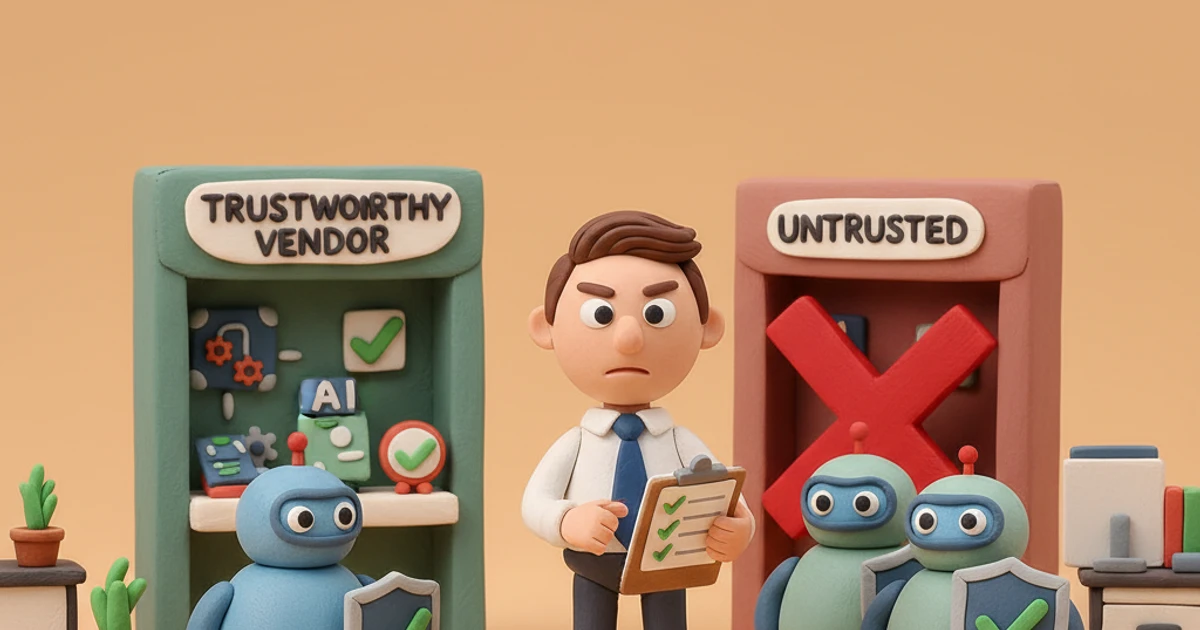
4. Choose Trustworthy AI Tools and Vendors to Minimize Errors
4. Choose Trustworthy AI Tools and Vendors to Minimize Errors
Choosing reliable AI tools and vendors is critical for businesses looking to avoid costly mistakes, misinformation, or brand reputation damage. With more companies relying on AI for customer support, marketing automation, and communications, partnering with reputable solution providers safeguards data accuracy and ethical practices.
Vet AI Vendors for Safety and Reliability Standards
Not all AI vendors are created equal—some prioritize speed and low cost over data responsibility and accurate results. Carefully evaluating vendors for their safety track record and reliability helps prevent integration headaches and avoidable errors down the line.
For example, Intellnova distinguishes itself by offering enterprise-grade, automated voice agents and intelligent chatbots that are audited for bias and tested for accuracy. In contrast, some businesses have reported miscommunications or privacy breaches using lesser-known platforms that lacked transparent compliance standards.
Identify Features to Look For: Transparency, Explainability, and Strong Support
Features like model transparency and explainability build trust and minimize errors. Look for vendors who provide clear documentation on how their AI makes decisions and offer direct support for troubleshooting unusual results.
For instance, Google Cloud’s Vertex AI provides explainability dashboards, enabling businesses to understand why the AI made specific predictions—a useful feature for regulated industries. Access to responsive, well-trained support teams can further reduce downtime and resolve incidents quickly.
Prioritize Vendors with Anti-Misinformation Protocols
Misinformation is one of the most damaging risks when using AI-powered tools for communications and marketing. Solutions with built-in content review, fact-checking, and bias monitoring features are less likely to propagate errors.
Microsoft integrates real-time fact-checking into its Copilot for Microsoft 365. By prioritizing vendors with such anti-misinformation protocols, companies can minimize the spread of inaccurate content—especially critical for brands handling customer service at large scale.
Ask Key Questions Before Adopting New AI Solutions
Before finalizing any AI vendor, it’s essential to ask direct questions about data use policies, security standards, and ongoing system audits. Request transparency into incident logs, model update schedules, and the vendor’s process for addressing biases or failures.
Remember to ask for client references or case studies; for example, look for vendors that can share performance data or relevant testimonials from businesses in your sector. This due diligence can help organizations avoid costly errors and inactive system downtime. For a deeper dive on selecting reliable AI platforms, review our article on AI tool selection strategies for businesses.
Reference: 🧠7 Techniques to Reduce AI Errors & Improve Responses
5. Implement Robust Fact-Checking and Quality Assurance Systems
As businesses increasingly rely on AI-driven tools for communication, marketing, and client management, the risk of distributing false or misleading information rises sharply. Even advanced systems like AI-powered voice agents or chatbots can inadvertently generate inaccuracies or bias without proper oversight. Implementing robust fact-checking and quality assurance processes helps avoid reputational harm, legal issues, or customer mistrust—concerns especially relevant for business owners and digital marketers looking to scale safely with AI.
Set Up Regular Fact-Checking Processes for AI Outputs
AI-generated content requires vigilant, ongoing verification to ensure accuracy and reliability. Businesses should establish routine fact-checking workflows for all AI-produced outputs, from social media posts to client-facing responses. For example, The Associated Press adopted a dual-layer review for its automated news stories, using both editors and subject-matter experts to catch errors AI might miss. This process led to substantially fewer corrections post-publication, boosting trust among readers.
Common mistakes include assuming AI outputs are inherently accurate or not designating a responsible team member for oversight. Keep documentation of past errors to refine future checks and prevent repeated mistakes. Explore more about common AI content mistakes and how to avoid them.
Utilize Third-Party Validation and Reference Materials
Cross-referencing AI outputs with credible, up-to-date sources is crucial for minimizing misinformation. Businesses can leverage subscription databases, government datasets, or industry whitepapers as validation benchmarks. For instance, healthcare marketing firms often require AI systems to check website content against the Centers for Disease Control and Prevention's (CDC) guidelines or peer-reviewed research before approving any educational material.
Some organizations, like Reuters, use commercial fact-checking tools such as NewsGuard or FactMata to automatically flag questionable claims or statistics in news drafts. While not every sector has dedicated tools, it’s essential to align with the most authoritative references available.
Train Staff to Spot and Flag Incorrect AI Information
Even the most sophisticated QA systems depend on human judgment. Train employees to critically assess AI outputs for logical or factual errors, outdated data, or insensitive language. Hold periodic workshops or create checklists based on recent errors so your team stays proactive. Tech consultancy Accenture reported fewer compliance incidents after educating its marketing staff on detecting AI-generated plagiarism and unsupported claims, proving hands-on training’s effectiveness.
Make it easy for staff to report and escalate suspicious content, integrating this process directly into your content management or CRM system where possible. Learn best practices for training employees on AI risk management.
Automate QA with Internal or External Review Tools
Automation enhances efficiency, especially for businesses scaling their AI operations. Implement tools like Grammarly Business or Copyscape to scan for plagiarism, grammar, and context errors in real-time. Marketing software leader HubSpot integrates automated review layers that check AI-generated campaign text for tone and accuracy before publishing, reducing manual workload and catching common slip-ups.
When possible, leverage specialty AI QA tools designed for your industry to speed up compliance and maintain high information standards. However, always supplement automation with periodic manual reviews for quality consistency and ethical oversight. Discover how to implement AI quality assurance in your workflow.
Reference: 7 Steps to Implementing Robust Quality Assurance Systems
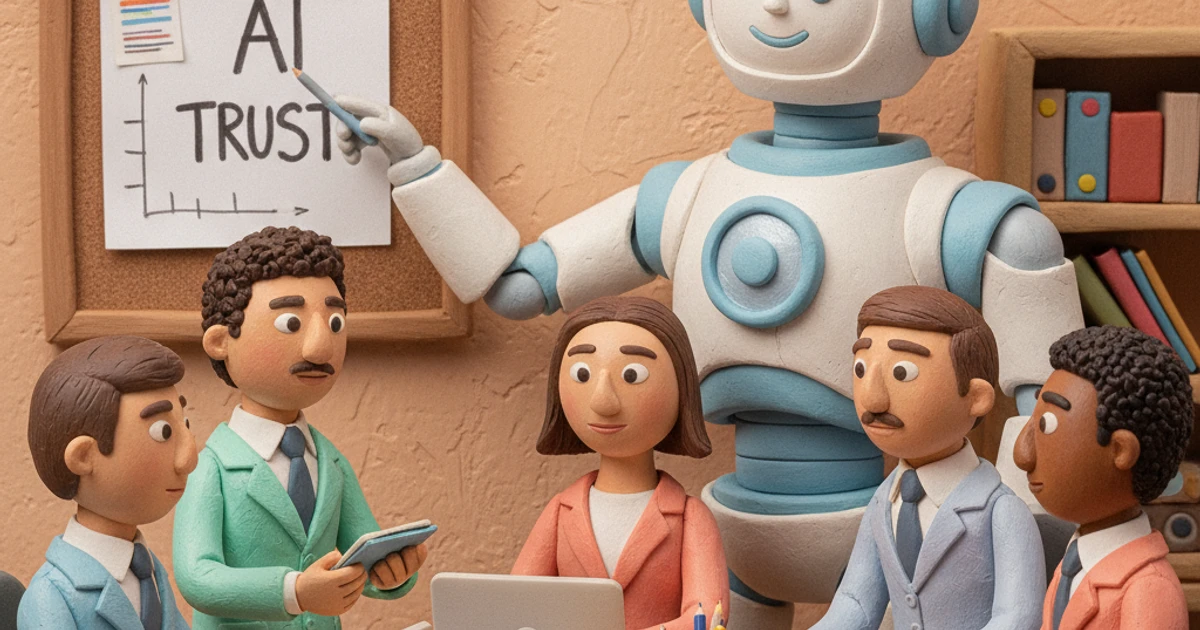
6. Educate and Empower Your Team on AI Trust Problems
6. Educate and Empower Your Team on AI Trust Problems
Building AI-powered processes can dramatically increase efficiency for businesses. However, trust issues like inaccurate outputs or algorithmic bias can erode confidence and cause real-world damage—from brand reputation risks to regulatory penalties. Addressing these concerns means each team member must actively understand and address AI’s unique limitations, rather than treating them as only an IT issue.
Provide Targeted Training to Recognize False AI Answers
Training team members to spot unreliable, biased, or outright false AI responses is critical for avoiding misinformation and costly mistakes. For example, after a financial chatbot at Bank of America incorrectly advised customers on loan eligibility, the bank enhanced its employee training to identify and escalate suspect outputs before any damage was done.
Interactive workshops or e-learning modules can highlight common AI pitfalls with real-world tasks. Intellnova clients have found that even a short, scenario-driven workshop—covering issues like hallucinated statistics or misinterpreted customer queries—reduces error rates by up to 30% in operational call centers.
Encourage a Culture of Questioning and Critical Review
Teams must feel empowered to challenge AI recommendations. Building a culture where staff ask probing questions prevents rubber-stamping decisions and fosters healthy skepticism. Google instituted “AI fact-check” sessions where employees collectively review outputs, leading to improved trust and fewer automation failures.
Independently reviewing outputs—especially for high-stakes decisions—can uncover hidden mistakes. Avoid the trap of blind reliance on automation by encouraging every user to ask, "Is this response backed by evidence or just generated text?" You can learn more about building critical AI skills in our guide on AI chatbot trust strategies.
Include AI Transparency in Employee Guidelines
Transparency around how AI suggestions or decisions are made reduces confusion and enhances employee confidence. This means clearly documenting how AI-powered voice agents or social media tools, like those offered by Intellnova, evaluate inputs and make recommendations.
For example, Microsoft’s Responsible AI Standards require teams to disclose data sources and the reasoning behind AI-driven recommendations, leading to fewer downstream disputes. Include a section on AI transparency in your employee handbook with practical examples specific to your workflows.
Share Updates About AI Safety Relevant for Businesses
The AI landscape—and its risks—are evolving rapidly. Regularly sharing curated updates on AI threats, safety incidents, and best practices ensures teams are equipped to spot and respond to new risks. When the FBI released warnings about AI-powered phishing scams in 2023, several US banks immediately briefed teams and revised incident protocols, saving significant losses.
Include a short AI safety digest in internal newsletters. You can link these with ongoing education by referencing relevant articles, such as our piece on common AI marketing myths, to foster continuous learning.
Reference: Empowering Your Team for Success with AI
7. Monitor, Measure, and Adapt: Ensuring Ongoing AI Safety
Staying vigilant about AI safety requires more than a one-time assessment. As AI technologies power business communications, marketing, and client management, risks can evolve with system updates, new data sources, or changes in user behavior. Proactively monitoring AI performance helps organizations catch problems before they escalate, securing both brand reputation and customer trust.
Use Metrics to Track AI Reliability and Errors Over Time
Tracking the reliability of your AI systems is essential for identifying patterns of errors, bias, or drift. For example, a marketing agency using Intellnova’s chatbots can measure customer satisfaction scores, bot response accuracy, and escalation rates to human agents. Spotify similarly tracks AI recommendation error rates using A/B testing to improve music suggestions, ensuring AI decisions serve end users as intended.
Common metrics include accuracy, false positives/negatives, and average response time. Establish a regular schedule—weekly or monthly—to review these statistics. Neglecting to monitor performance can lead to unnoticed issues that harm customer experience or result in costly compliance failures.
Gather Feedback from Users and Stakeholders
Feedback from team members, customers, and other stakeholders often reveals AI blind spots missed by automated tools. For instance, H&M’s AI-driven customer service system was improved when frontline staff flagged recurring complaints that the algorithm had misclassified product inquiries. Regular surveys and comment channels encourage openness and speed up issue reporting.
Integrate feedback-gathering directly into customer touchpoints. Even a simple post-interaction rating system—like the one used by Intellnova’s Voice Agent—can spotlight accuracy problems or suggest where additional human oversight is needed.
Continuously Update Policies to Address Emerging AI Issues
AI ethics and risk policies must evolve as new challenges arise. For example, Zoom updated its privacy and AI consent policies after public concerns over meeting data analysis. Schedule policy reviews in line with major system upgrades or regulatory changes.
Maintaining transparent guidelines for data usage and error handling keeps businesses ahead of potential PR or legal setbacks.
Advanced Monitoring Tools for Better Oversight
Specialized solutions like Intellnova AI Solutions offer advanced monitoring dashboards, real-time alerts, and trend analysis. These tools automate much of the measurement process, freeing up internal resources and supporting compliance efforts.
Explore more practical uses of AI in communication and marketing by visiting our articles about AI-powered voice agents and AI social media management.
Reference: How to Make AI safe? 7 Steps Included [Complete Guide]
Conclusion
Understanding the Main Risks of AI Output Errors and Business Impact
AI is transforming how businesses operate—from customer service to marketing insights—but it also introduces unique risks when its output isn’t accurate. Common issues include misinformation, bias, and automation failures that can erode trust and negatively impact decision-making. For example, in 2023, a financial advisory firm using an AI chatbot released incorrect regulatory advice to clients, resulting in reputational damage and costly corrections.
Beyond customer service, errors in AI-driven advertising platforms can lead to misallocated budgets. Meta (formerly Facebook) faced criticism when its AI ad tool improperly categorized ad audiences, causing small businesses to miss their target customers and lose ROI. These examples demonstrate that AI mistakes aren’t just technical—they have real financial and operational consequences for businesses of all sizes.
Actionable Steps to Safeguard Your Business
Proactive measures are essential for minimizing the impact of AI output errors. Start by implementing a regular review process for AI decisions and outputs—whether it’s monitoring chatbot conversations or evaluating automated ad campaigns. Human oversight can catch subtle issues that algorithms miss.
- Validate AI-generated information before publishing or acting on it, especially in public-facing communications.
- Train staff to recognize and escalate questionable outputs quickly. Training platforms like Coursera offer targeted modules on AI best practices for teams.
- Integrate robust feedback loops so users and frontline staff can report problems. In retail, Target uses internal feedback tools to monitor their AI-driven inventory systems for errors, reducing costly stock-outs and overstock scenarios.
For more risk-mitigation tips, explore our guide to AI ethics and risks for business leaders.
Why Proactive AI Reliability Management Matters
Unmanaged AI can lead to spiraling costs and lost customer trust. By regularly testing and validating your AI tools, you stay ahead of potential issues. Gartner estimates that by 2025, organizations that operationalize AI transparency will see a 20% improvement in user trust and business outcomes. This makes reliability management not just a technical concern, but a strategic priority for business owners.
Proactive management also supports compliance with evolving regulations. Whether you’re in healthcare, finance, or e-commerce, rigorous oversight helps your business avoid legal pitfalls tied to AI errors or bias.
Ongoing Learning and Next Steps with Intellnova
Staying informed and leveraging expert tools can keep your AI strategies ahead of the curve. Engaging with resources like our AI chatbot implementation guide ensures your automation efforts align with industry best practices.
Intellnova's all-in-one AI solutions for voice agents, chatbots, and marketing automation are designed to empower businesses to automate and scale safely. Begin by assessing your business needs, reviewing our suite of AI-powered business tools, and requesting a personalized consultation with our experts. Building reliable, ethical, and effective AI systems is a continuous journey—ensure your business stays protected while reaping the rewards of automation.
Frequently Asked Questions
As more businesses adopt AI-powered tools for communication, marketing, and customer engagement, questions around reliability, trust, and information quality are rising. Understanding common challenges—and how to address them—is key for protecting your business and maintaining credibility with clients and stakeholders.
Why does AI sometimes provide wrong or misleading answers?
AI models generate responses based on patterns learned from large datasets, not from understanding or intent. They can confidently output incorrect information—a phenomenon known as AI hallucination—especially if presented with vague or ambiguous prompts.
For example, in 2023, Google’s Bard assistant gave a factual error about the James Webb Space Telescope, which led to a noticeable dip in Alphabet’s stock price. The risk is real: relying on AI-generated outputs without checks can cause reputational and financial damage.
How can I quickly spot AI hallucinations in my business?
Early detection relies on awareness and basic fact-checking of all AI outputs, particularly for public communications or marketing materials. Look for statements that seem oddly specific or stray into areas your business doesn’t ordinarily address.
For instance, some companies using ChatGPT for blog content found model-generated quotes attributed to non-existent experts. Regularly sampling AI outputs and cross-referencing unusual claims with trusted sources can help catch these errors before they reach customers. For more on AI content safety, see our guide on responsible AI content marketing.
When should I involve human review in the AI workflow?
Human review is critical before client-facing communications, high-value proposals, or regulated advice is sent. Set clear guidelines: automated outputs should always receive human oversight for sensitive topics or legal/financial information.
Banks like Capital One use hybrid review models, where AI chatbots escalate complex queries to human agents. This ensures accuracy when stakes are high and minimizes the risk of misinformation impacting business decisions.
What are the best practices for fixing incorrect AI information?
Swift correction is essential. If misinformation is identified,
- Audit content logs to pinpoint the error’s source.
- Edit or retract the misleading information.
- Notify customers proactively if published content could impact decisions.
- Retrain AI systems with updated feedback to minimize repeats.
Repeat these steps for each incident, just as business intelligence firm Nielsen updated its AI analytics process after data mix-ups in early 2022.
How do I choose an AI tool that minimizes reliability issues?
Vet tools with transparent documentation, active model updates, and usage-controls. Evaluate vendors based on proven performance in your sector: for example, Salesforce Einstein offers detailed transparency on data sources and model updates, important for enterprise trust.
Choose platforms that enable easy human oversight, granular settings, and integration with your review workflows. For tips on AI selection, visit our article on evaluating AI tools for business.
What should I do if my business is affected by AI misinformation?
Respond quickly to safeguard trust. Issue public clarifications, correct the record across all channels, and communicate steps taken to prevent recurrence. For example, when CNET faced backlash over AI-written finance articles with errors in 2023, the site published corrections and committed to stricter review policies.
Consider regular audits with external experts and educate your team on signs of AI errors. Building a culture of transparency and proactive correction helps maintain long-term business credibility.